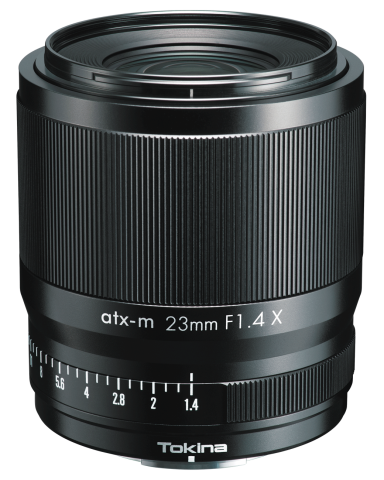
55% diffraction-adjusted maker MTF · 45% compatible lab/technical prior.
No-compromise sports and wildlife glass: prime-level detail, fast AF, strong OIS, and professional mass.


A source-led guide to native Fujifilm X-mount glass—Fujinon and third party—ranked from measured resolution and lens-specific MTF evidence, with technical consensus used only to break close calls.
01 / THE SHORT ANSWER
The 40.2MP X-Trans sensor has roughly the pixel density of a 90MP full-frame sensor. Great lenses show more microcontrast and cleaner edges; weaker ones do not suddenly become unusable. A compact or character lens can still be the better photograph-making tool.
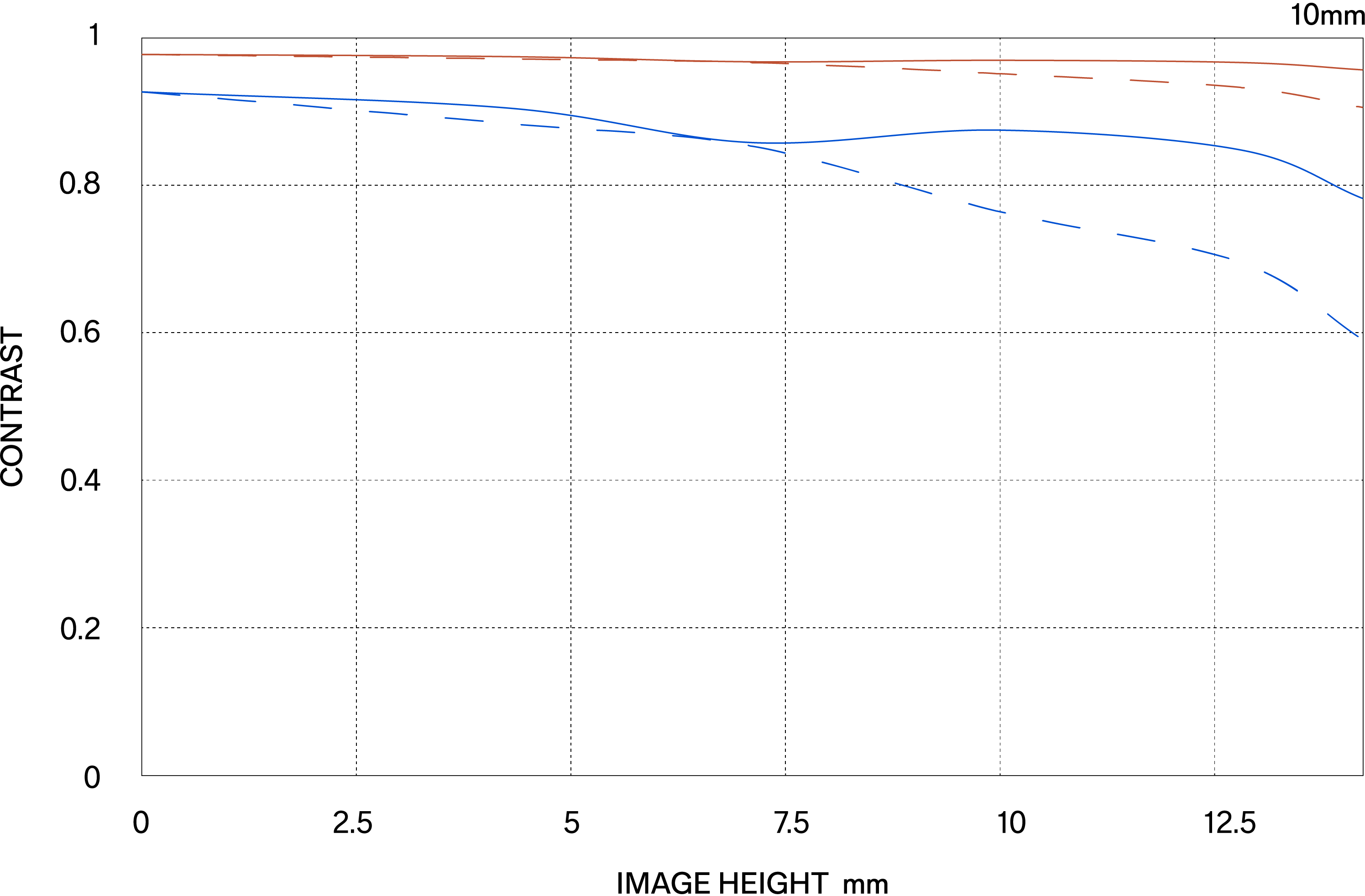
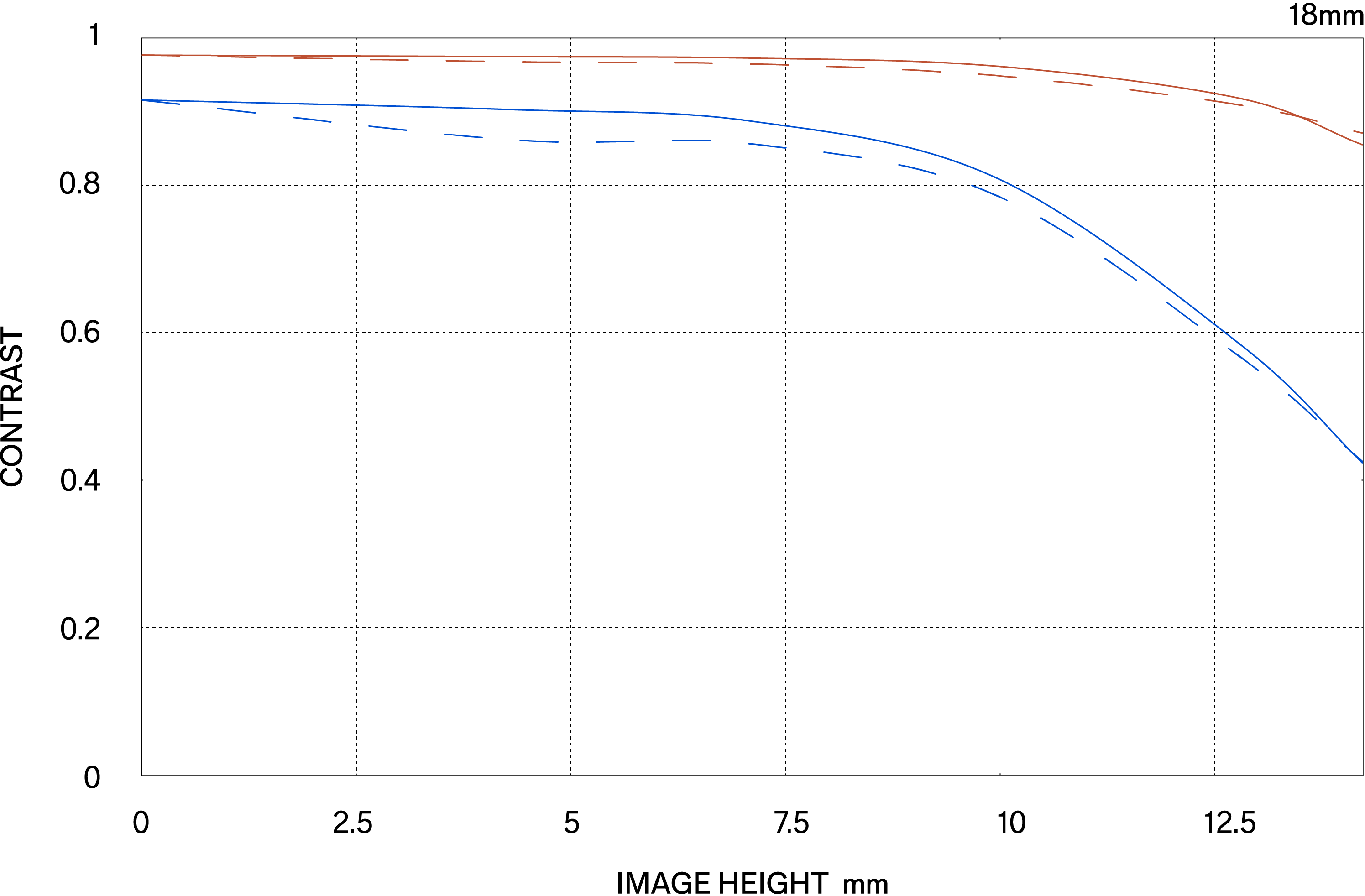
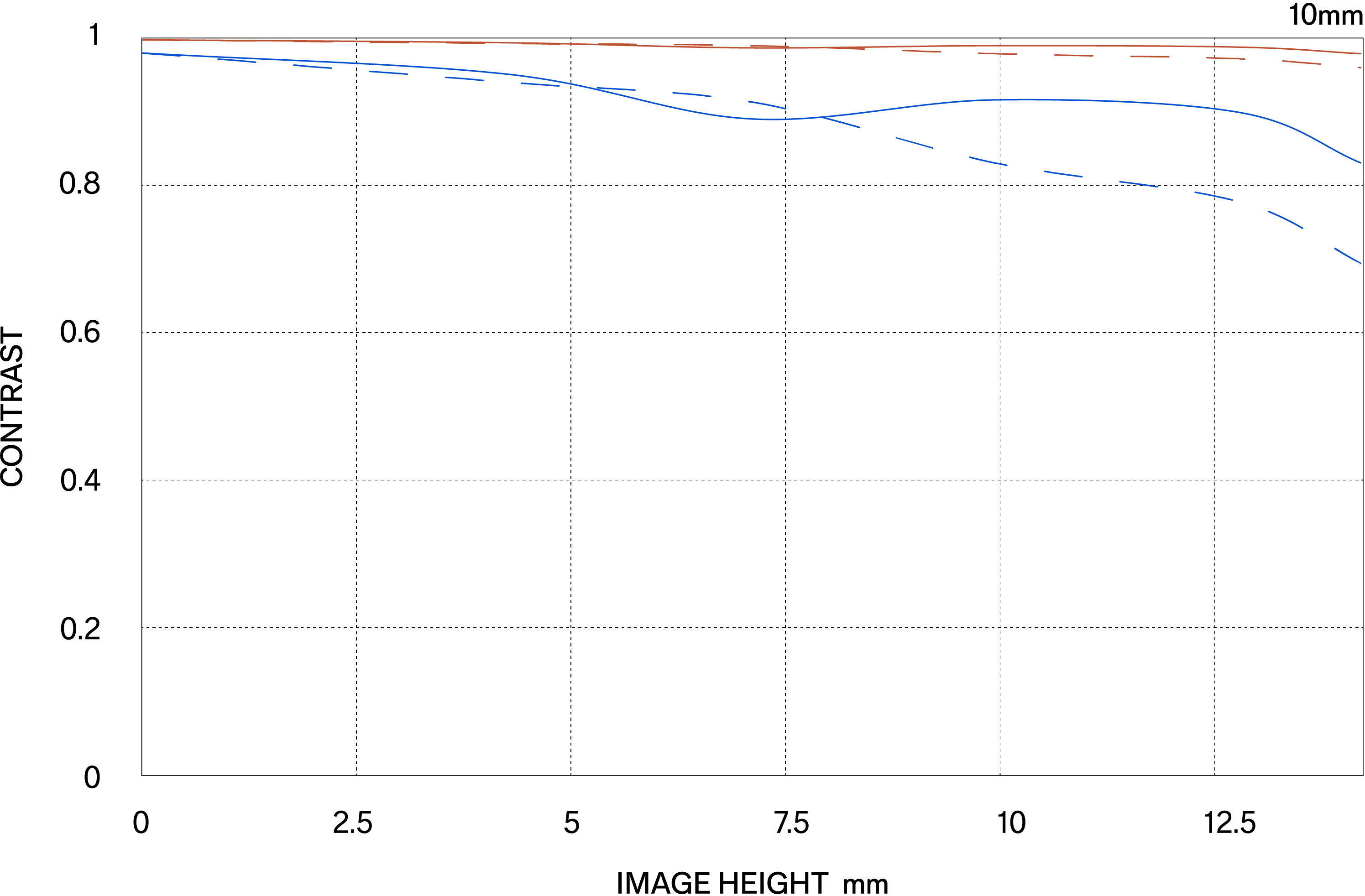
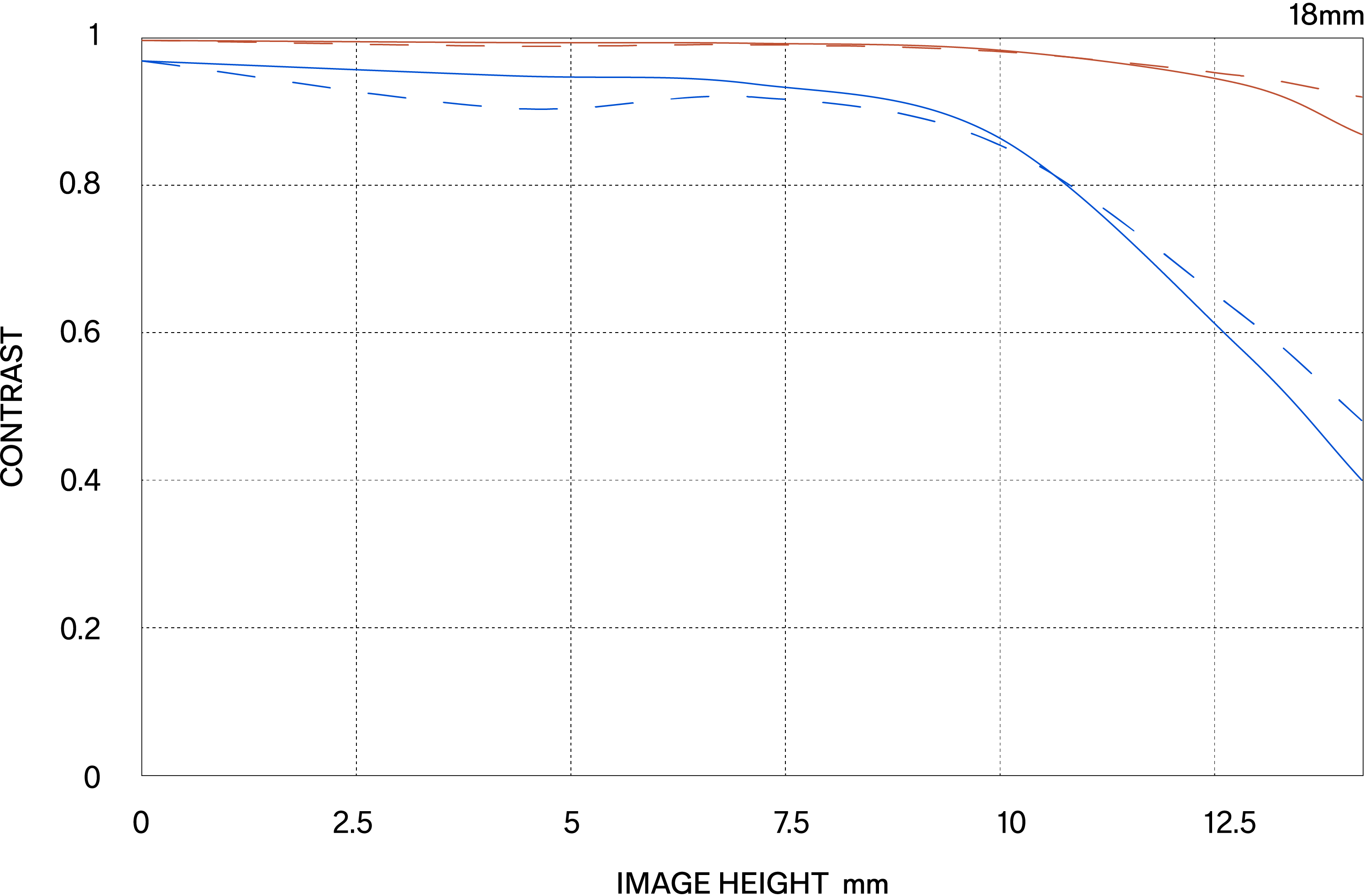
“Fuji 40MP” is a manufacturer qualification, not a lab score. Every row now shows a source-normalized resolution index with an uncertainty interval. For Fujifilm charts, the separate Maker MTF number is calculated directly from the published curves and corrected for diffraction at maximum aperture.
Scope: current native autofocus stills lenses from the major supported makers, plus Voigtländer’s electronically coupled X-mount manual series. Cine/anamorphic glass, teleconverters, and the very large no-contact manual catalog are excluded so the index remains decision-grade.
02 / OPTICAL LADDER
Tier and row order now follow a source-normalized resolution index. Every number carries an uncertainty interval; the maker-MTF subscore is shown separately and is never treated as universally comparable.
The highest evidence-adjusted resolving class: the strongest candidates for extracting everything from Fujifilm’s 40MP sensor.
55% diffraction-adjusted maker MTF · 45% compatible lab/technical prior.
No-compromise sports and wildlife glass: prime-level detail, fast AF, strong OIS, and professional mass.


70% diffraction-adjusted maker MTF · 30% multi-review consensus.
A modern supertele prime engineered for feather detail and portability; the cleanest long-range option short of adapted exotica.


Source-normalized independent lab result; cross-system precision is limited.
Exceptional center detail from F1.2 and unusually strong outer-field performance; heavy, but a genuine flagship optic.
55% diffraction-adjusted maker MTF · 45% compatible lab/technical prior.
One of the system benchmarks: exceptional central detail, strong corners, modern LM autofocus, and low aberrations.


55% diffraction-adjusted maker MTF · 45% compatible lab/technical prior.
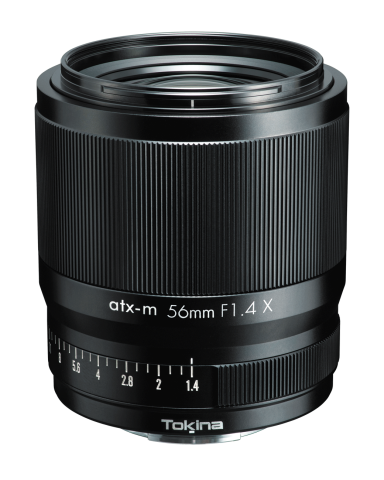
The modern reference normal: biting detail, low aberration, useful close focus, and dependable AF at F1.4.


55% diffraction-adjusted maker MTF · 45% compatible lab/technical prior.
The definitive native portrait prime: high-resolution wide open, excellent bokeh, close focus, and weather sealing.


70% diffraction-adjusted maker MTF · 30% multi-review consensus.
The second-generation pro standard zoom combines prime-like detail with half-kilo handling and improved video behavior.


55% diffraction-adjusted maker MTF · 45% compatible lab/technical prior.
A mature pro telezoom that remains exceptionally consistent across focal lengths, apertures, and the frame.


55% diffraction-adjusted maker MTF · 45% compatible lab/technical prior.
Clinical 1:1 macro detail with stabilization and strong edge performance; optically elite, physically substantial.


Source-normalized independent lab result; cross-system precision is limited.
Biting broader-center detail from F1.2, good corners, low LoCA, and luxurious rendering; AF is competent, not instant.
55% diffraction-adjusted maker MTF · 45% compatible lab/technical prior.
Arguably the cleanest long prime in the system: exceptional acuity, fast quad-linear AF, and controlled aberrations.


Source-normalized independent lab result; cross-system precision is limited.
Very good to excellent resolution, refined bokeh, and faster focusing than the native 56/1.2—at the price of weight.
High, even detail with only small compromises at a particular aperture, focal length, or frame edge.
55% diffraction-adjusted maker MTF · 45% compatible lab/technical prior.
The edge-to-edge ultra-wide benchmark. Exceptional correction and detail, with cost, weight, and bulbous front glass.


55% diffraction-adjusted maker MTF · 45% compatible lab/technical prior.
Tiny rectilinear ultra-wide with convincing edge detail; the strongest small landscape/architecture option.


55% diffraction-adjusted maker MTF · 45% compatible lab/technical prior.
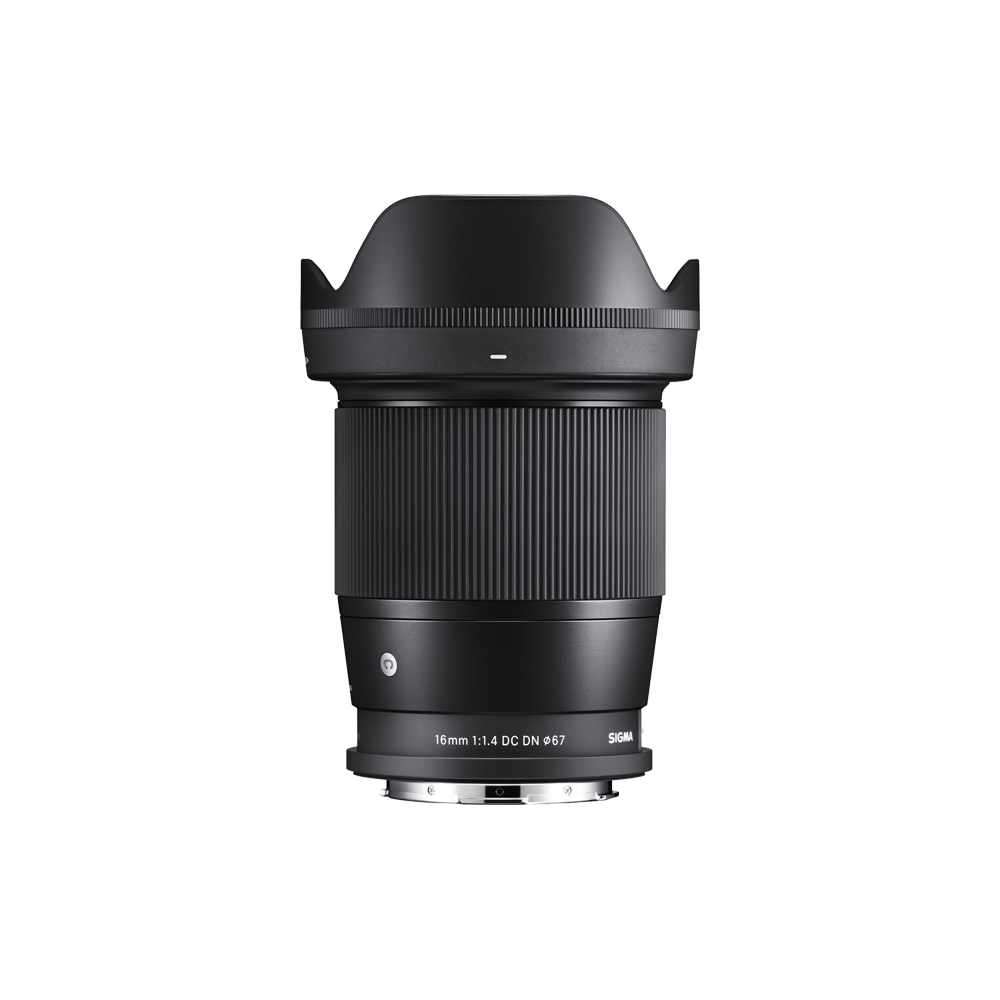
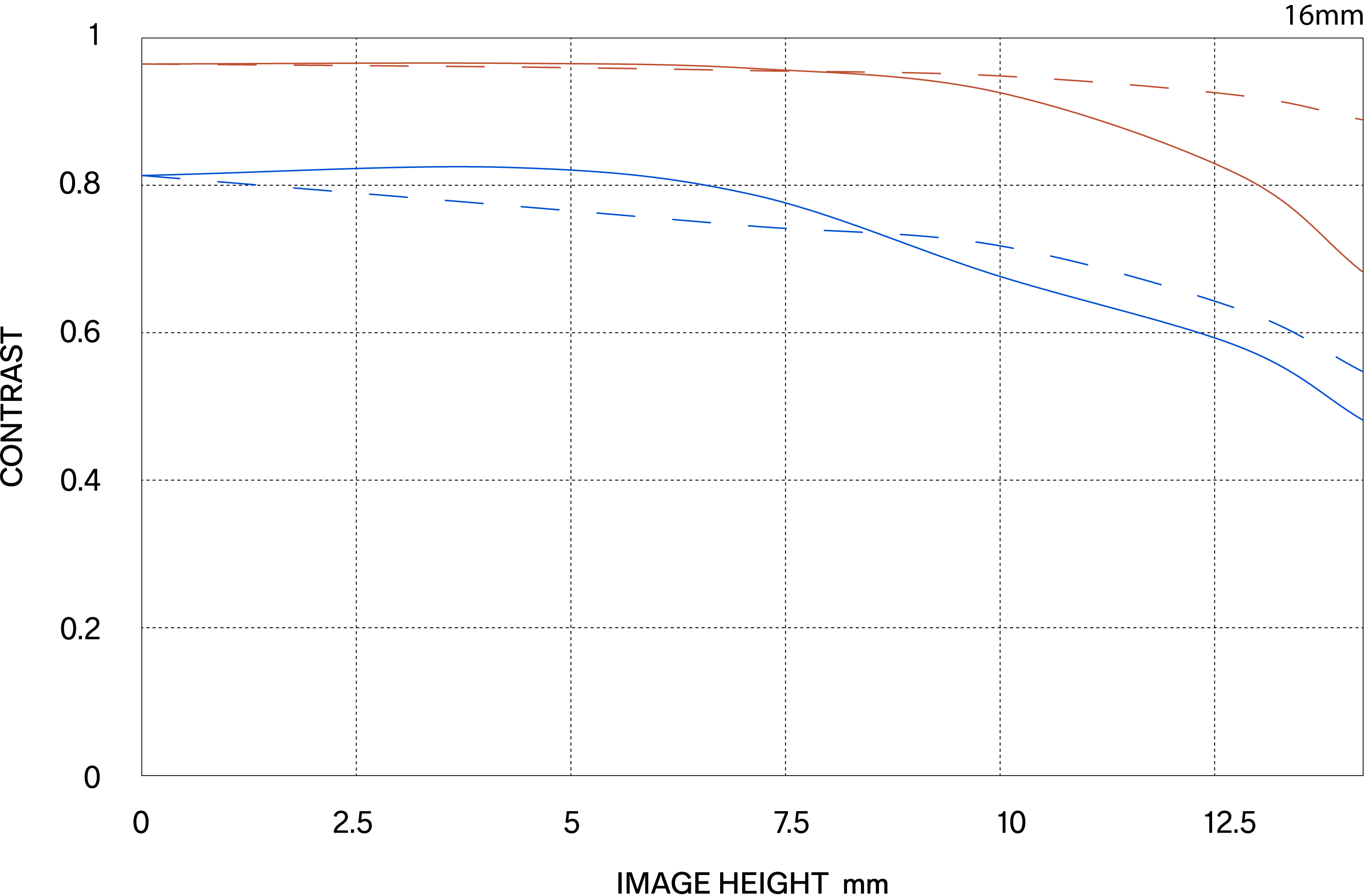
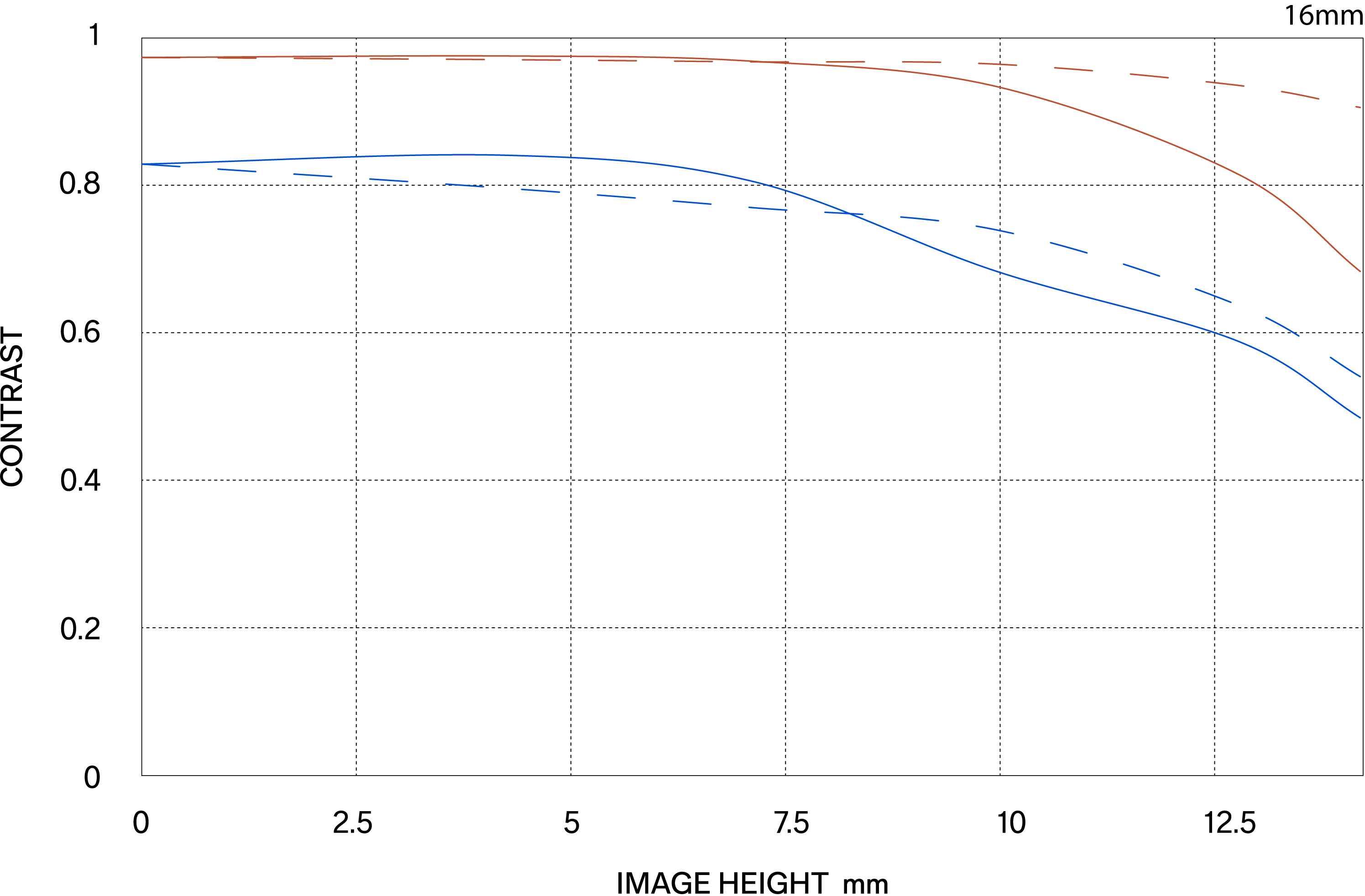
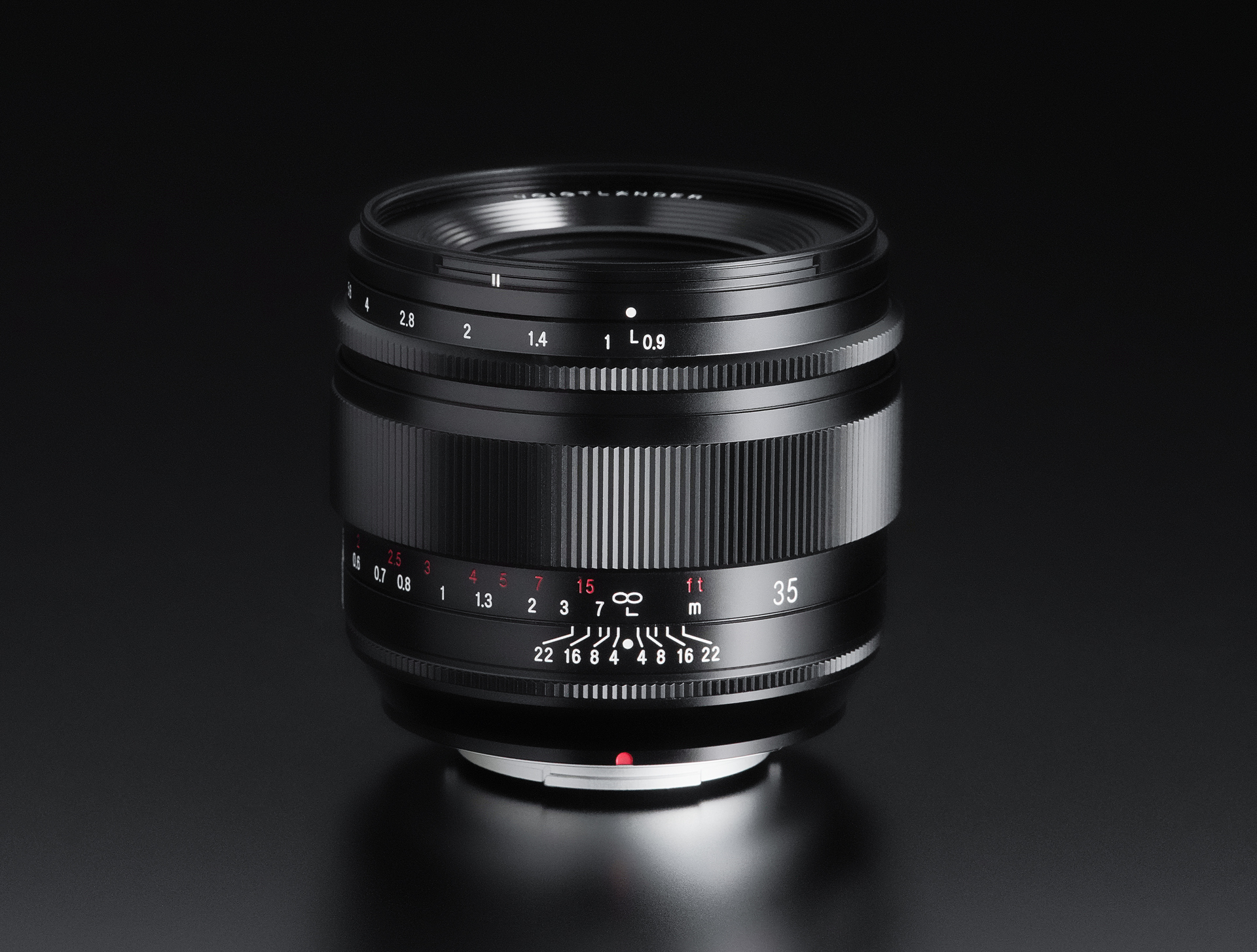
Fully usable from F1.4 into the corners and very sharp stopped down; the high-resolution 35mm-equivalent default.


Maker MTF available, but its method is not normalized to Fujifilm's curves.
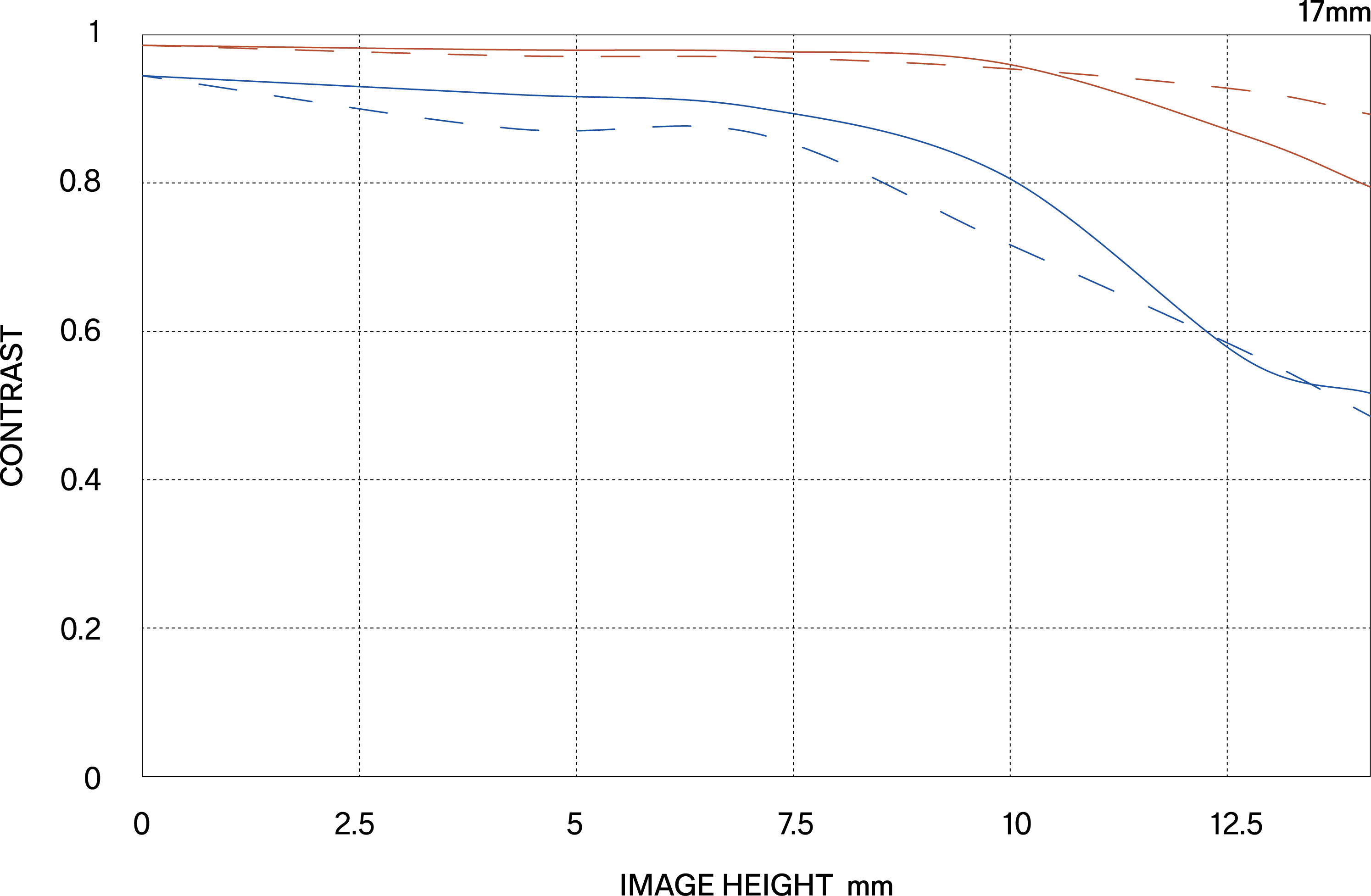
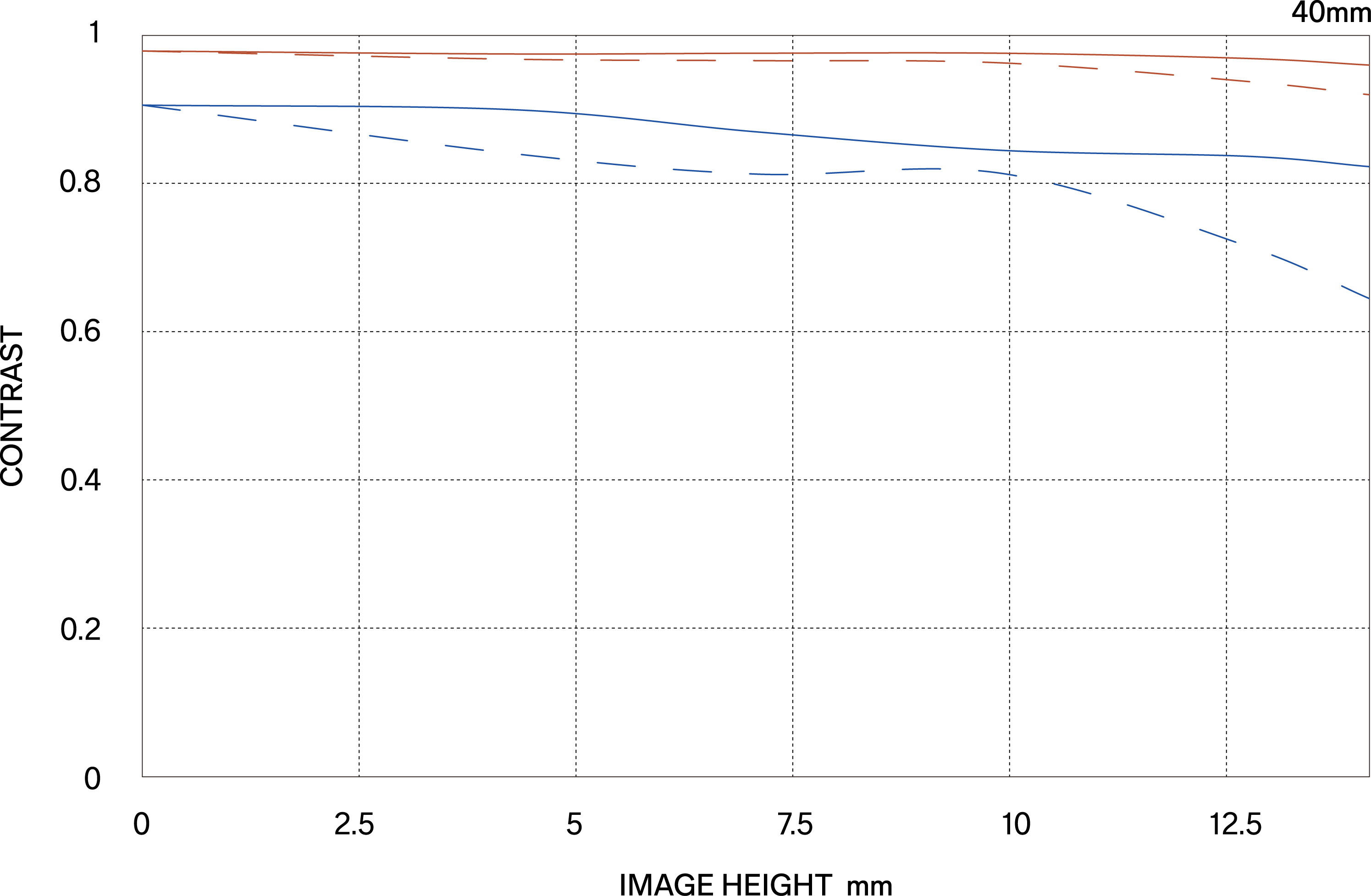
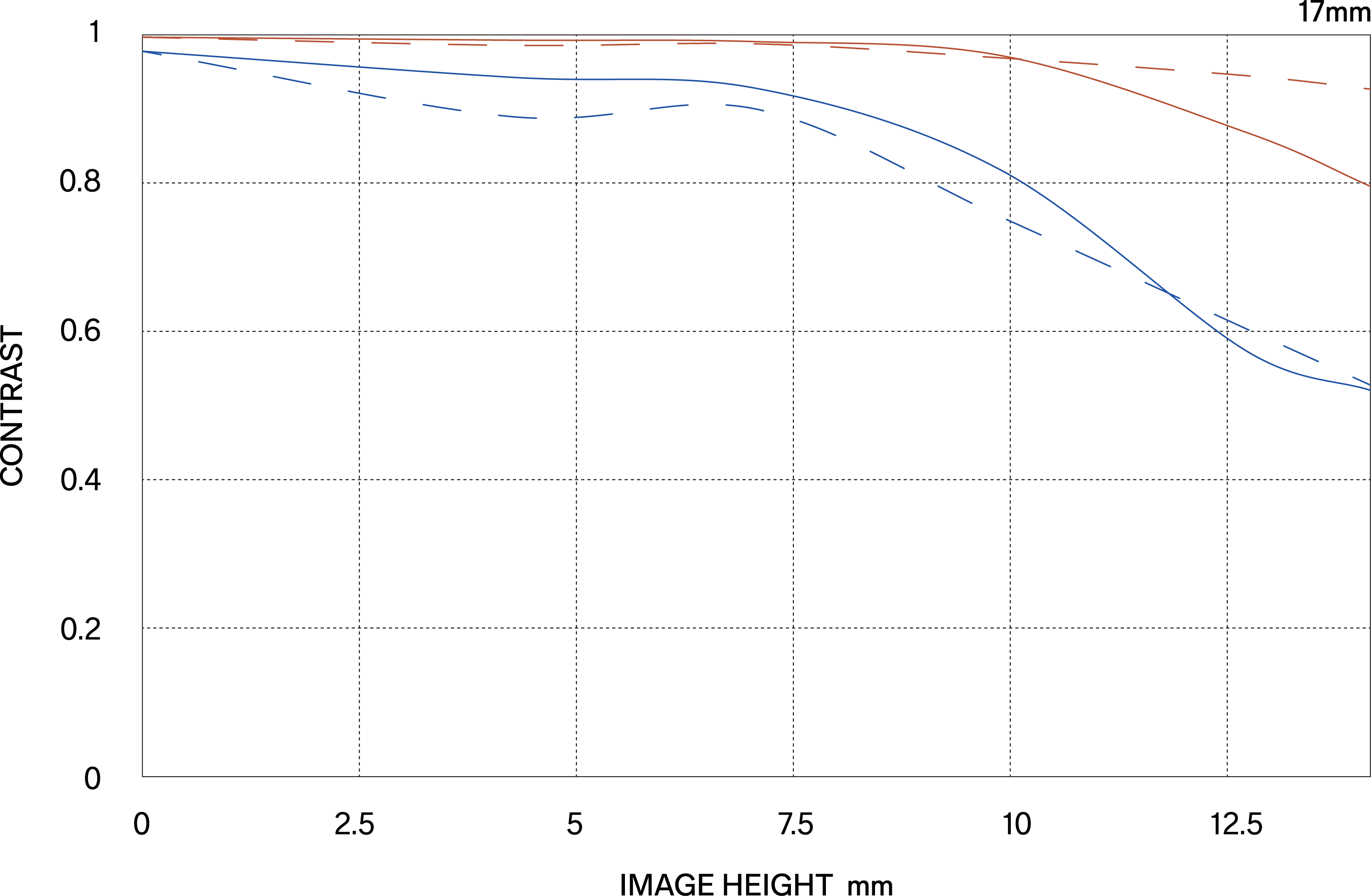
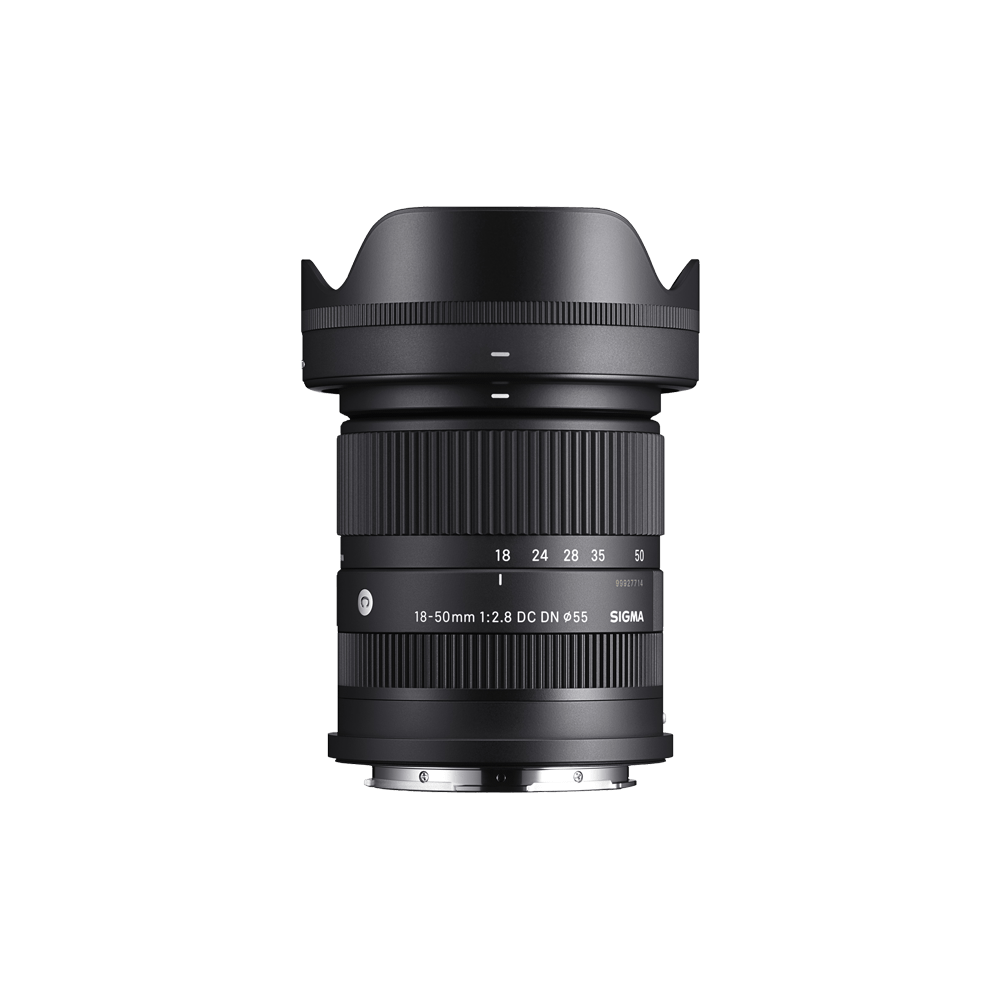
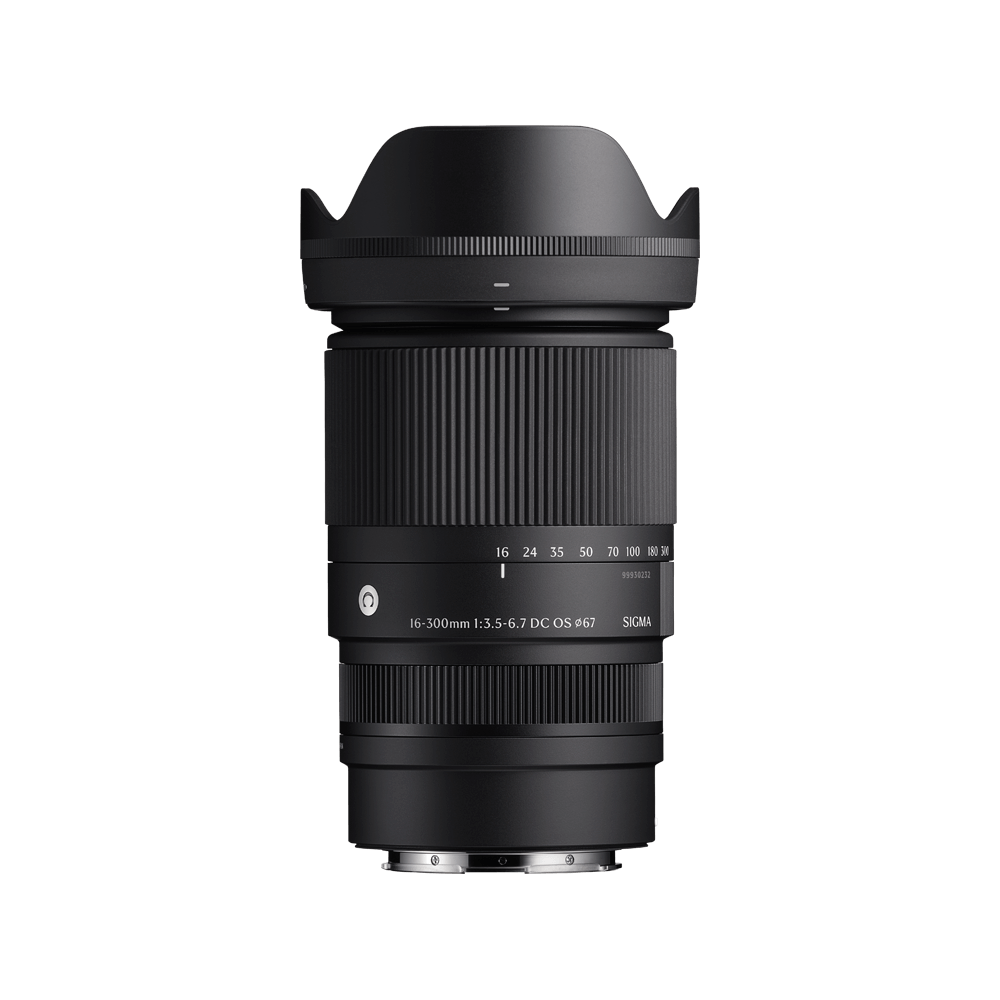
A uniquely fast Art zoom with prime-class manufacturer MTF, internal zooming, and serious hybrid intent; X-mount lab evidence is new.


55% diffraction-adjusted maker MTF · 45% compatible lab/technical prior.
The best small first-party kit zoom: modern AF, internal zooming, and solid 40MP detail, with speed traded for 240g portability.


55% diffraction-adjusted maker MTF · 45% compatible lab/technical prior.
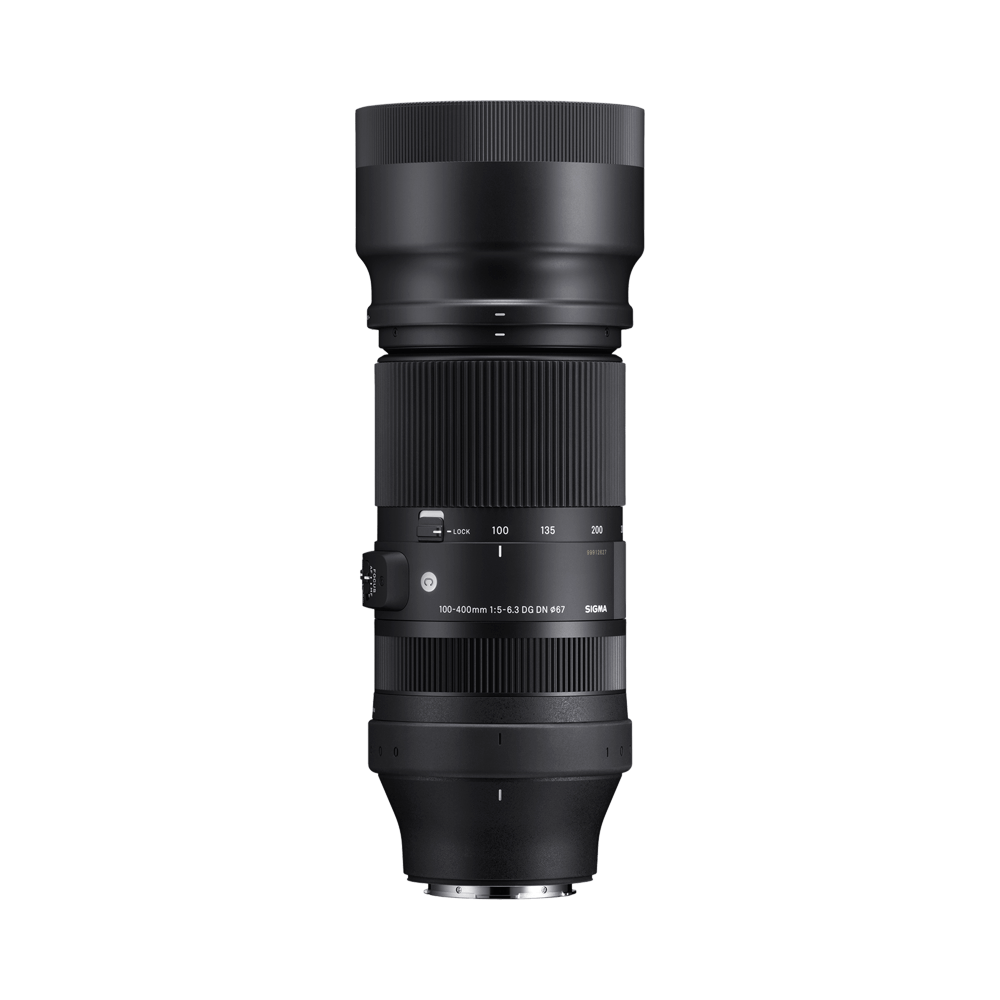
Remarkably light for 914mm-equivalent reach, with fast AF and clean daylight detail; aperture speed is the unavoidable trade.


Source-normalized independent lab result; cross-system precision is limited.
Fast, sharp, and unusually well corrected for an affordable ultra-wide; one of the strongest third-party astro choices.
Diffraction-adjusted maker MTF with a conservative evidence penalty.
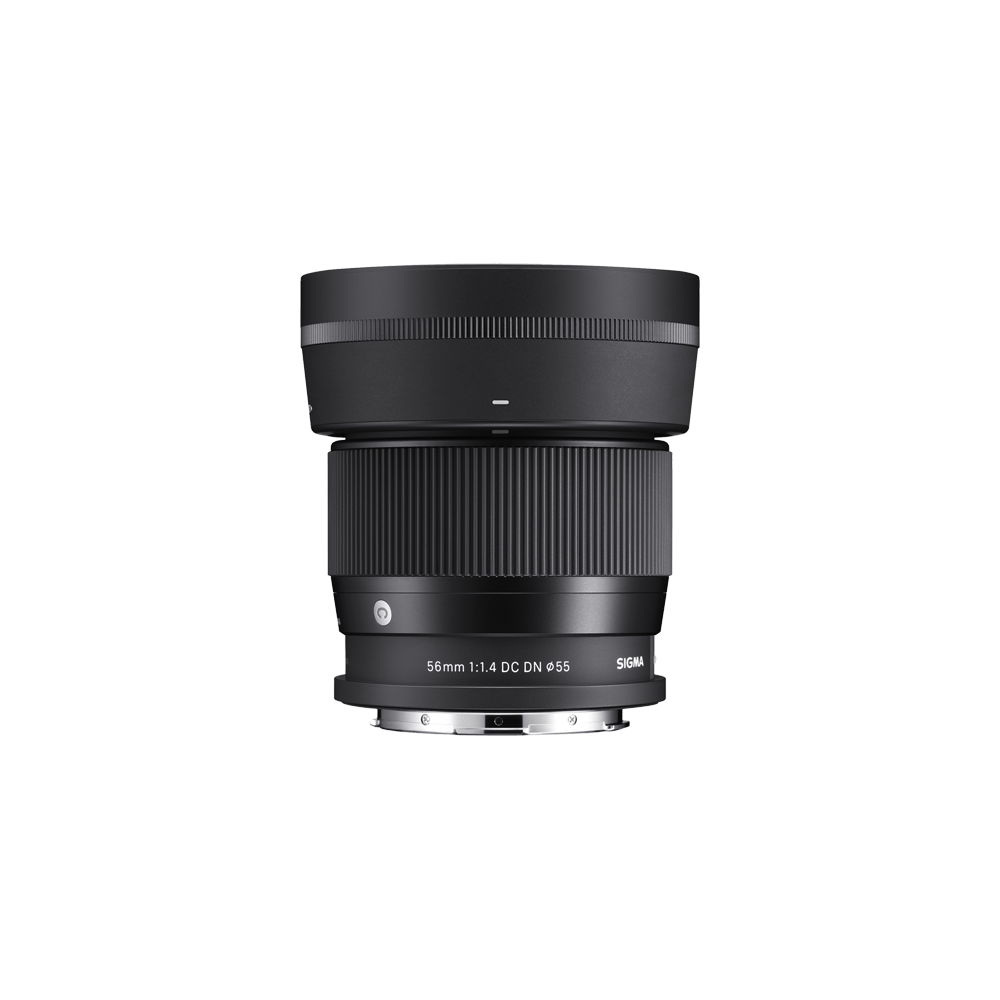
1:1 macro in a small normal-prime body, with high detail across the frame and fast linear-motor focusing.


Diffraction-adjusted maker MTF with a conservative evidence penalty.
The original pro normal zoom: consistently sharp and officially 40MP-qualified, but notably larger and heavier than Mark II.


55% diffraction-adjusted maker MTF · 45% compatible lab/technical prior.
The smallest modern 35mm-equivalent option. Similar optical quality to the 23/2, with portability as the main event.


Diffraction-adjusted maker MTF with a conservative evidence penalty.
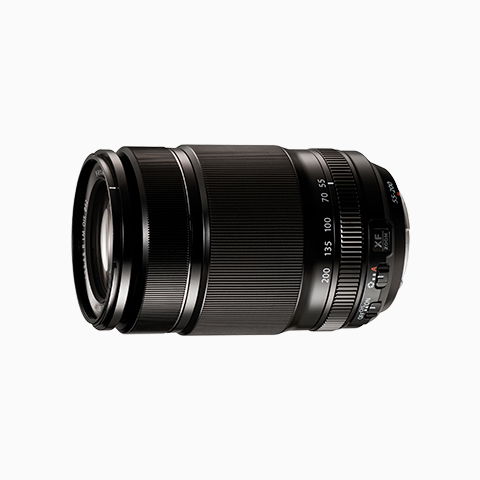
A proven wildlife zoom with strong sharpness across the range, effective OIS, teleconverter support, and professional bulk.


Maker MTF available, but its method is not normalized to Fujifilm's curves.
A sharp, modern 35mm-equivalent with good AF and excellent value; less complete sealing and no aperture ring on X mount.


Maker MTF available, but its method is not normalized to Fujifilm's curves.
One of the best size-to-performance portrait primes: sharp from F1.4, clean bokeh, low weight, and reliable AF.


Confident real-world resolution on 40MP, with visible limits under close technical comparison.
Diffraction-adjusted maker MTF with a conservative evidence penalty.
An older but optically honest ultra-wide with low native distortion and strong stopped-down detail; AF and sealing show its age.


Diffraction-adjusted maker MTF with a conservative evidence penalty.
Good central telephoto detail and pleasant rendering, with softer extremes and older focusing than the 70-300.


Diffraction-adjusted maker MTF with a conservative evidence penalty.
One of Fujifilm’s sharpest compact primes—quick AF, low weight, and excellent edge performance.


Maker MTF available, but its method is not normalized to Fujifilm's curves.
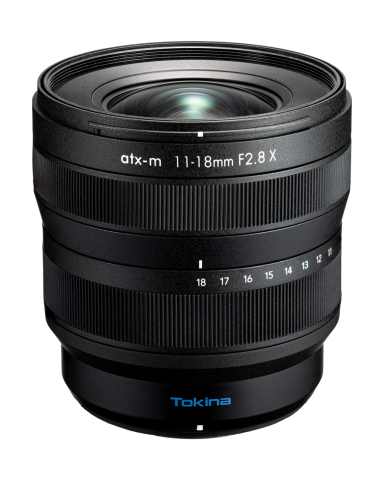
A compact, very fast ultra-wide with ambitious MTF and modern AF—an unusually portable night-sky and interior option.


Maker MTF available, but its method is not normalized to Fujifilm's curves.
A new high-speed wide prime balancing strong manufacturer MTF with low weight; independent X-mount coverage is still developing.


Source-normalized independent lab result; cross-system precision is limited.
The do-most fast zoom: broad range, constant F2.8, stabilization, and strong optical performance; length is the principal tax.
Source-normalized independent lab result; cross-system precision is limited.
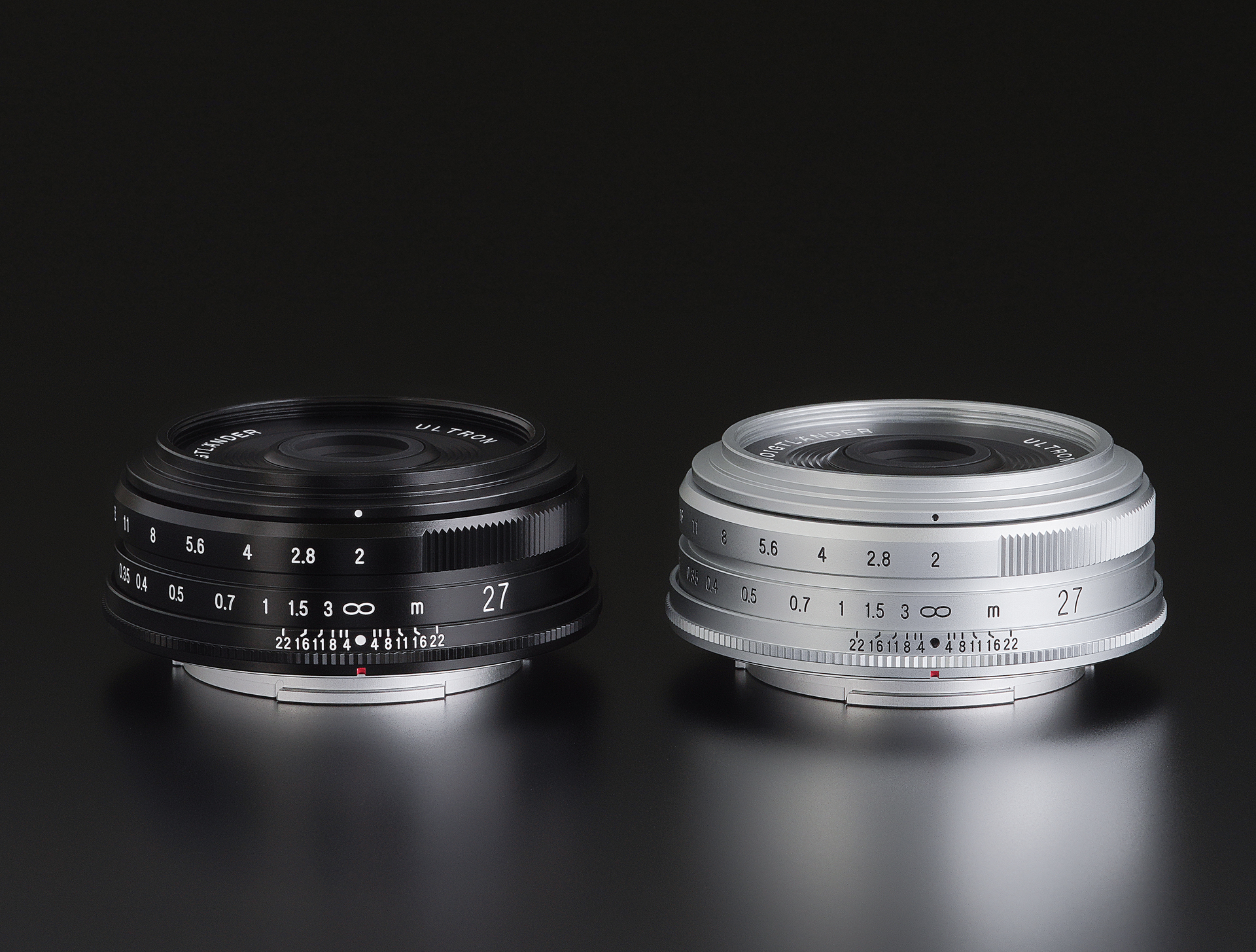
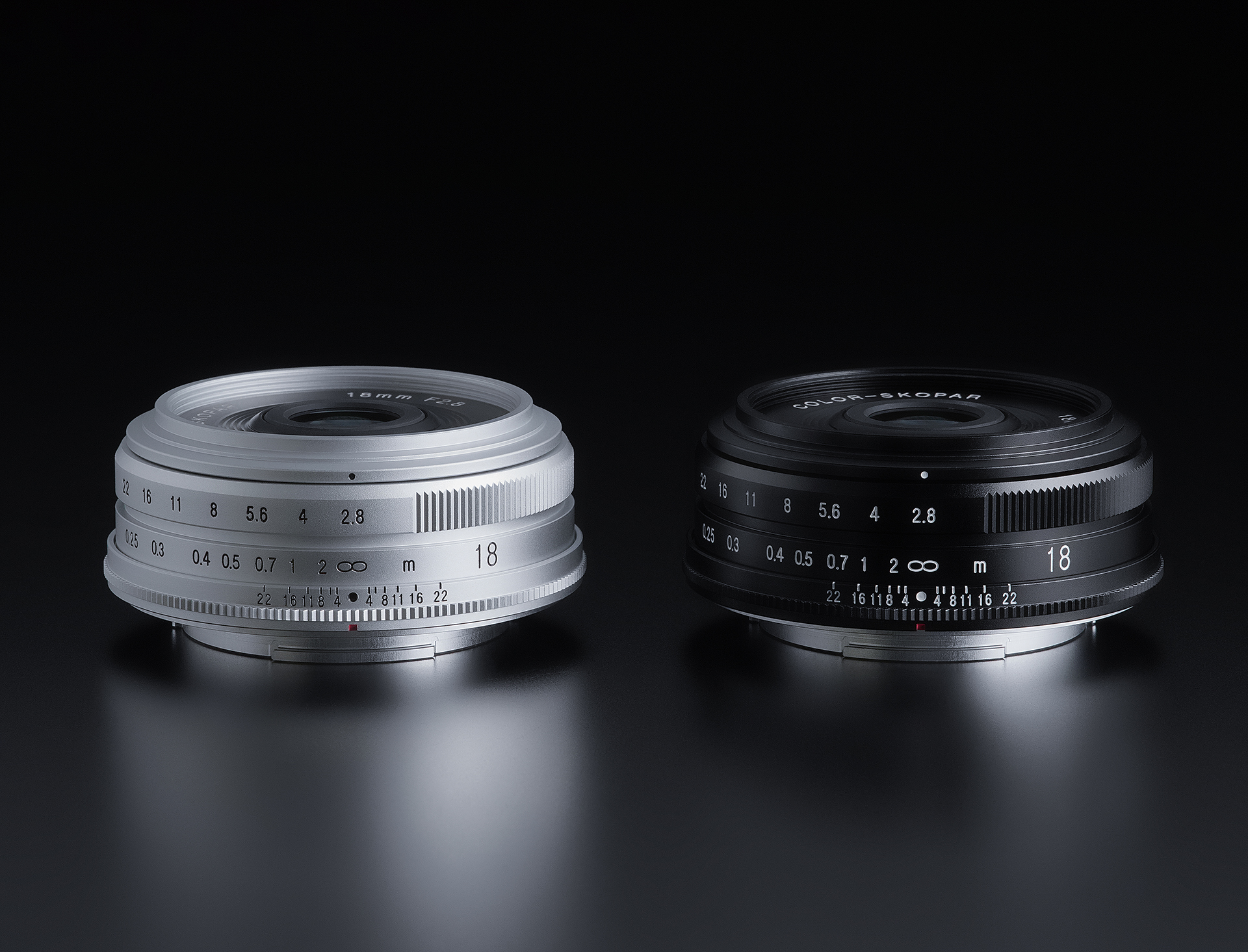
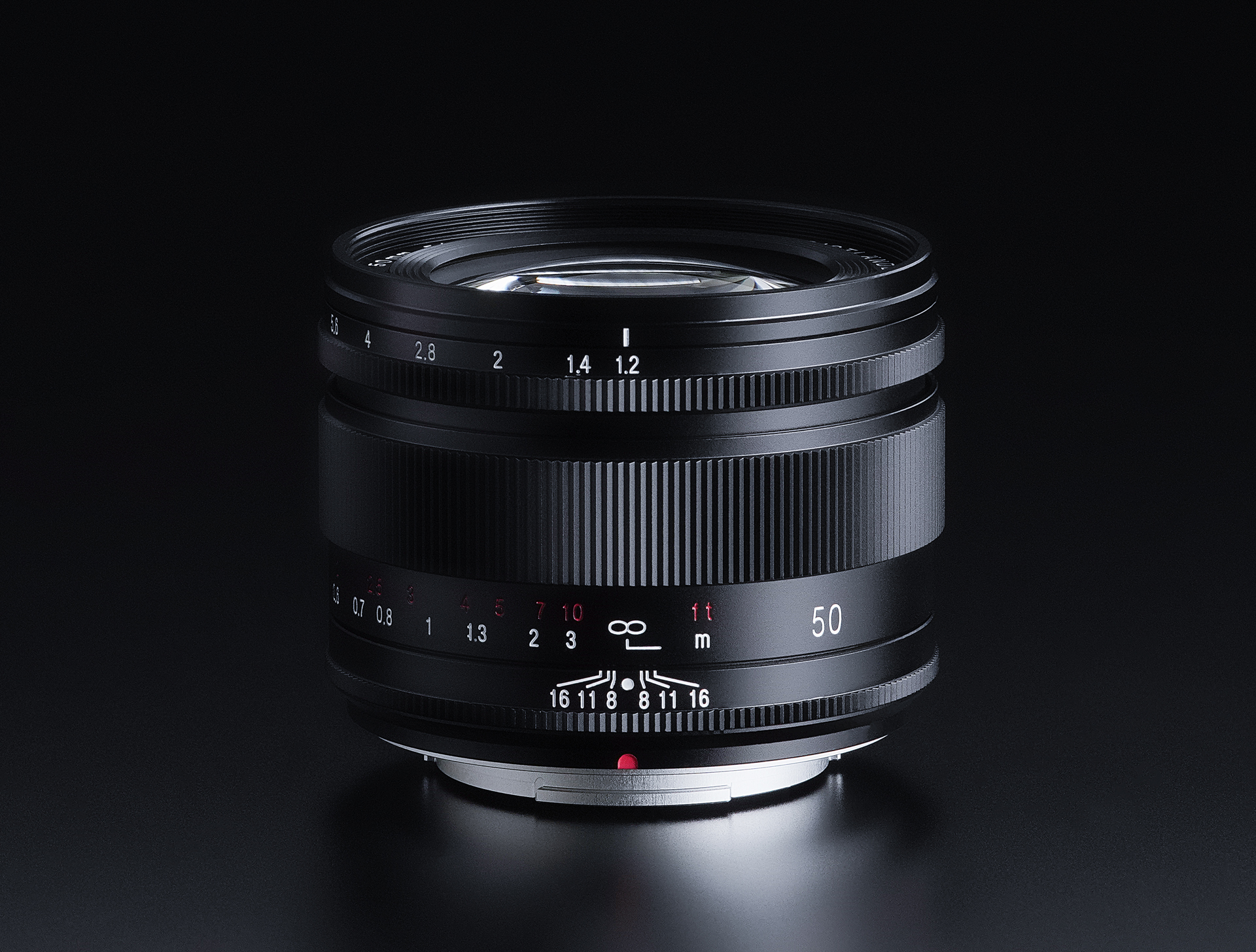
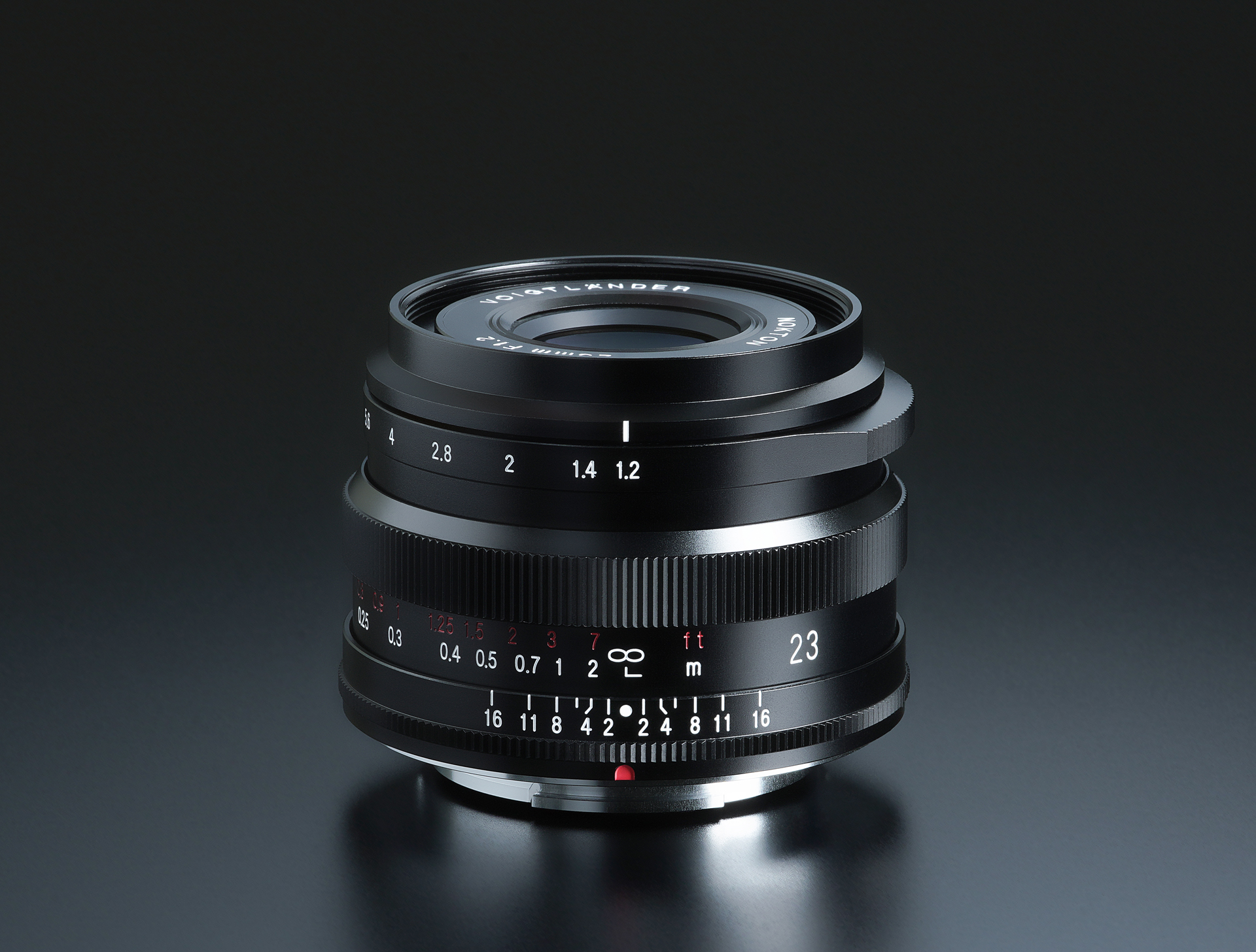
A tiny all-metal normal with electronic coupling, precise mechanical focus, and impressive crispness—an X-Pro-style purist’s lens.
Source-normalized independent lab result; cross-system precision is limited.
The XF 35/2 optical formula in a lighter plastic shell—excellent image quality, no aperture ring, and standout value.
55% diffraction-adjusted maker MTF · 45% compatible lab/technical prior.
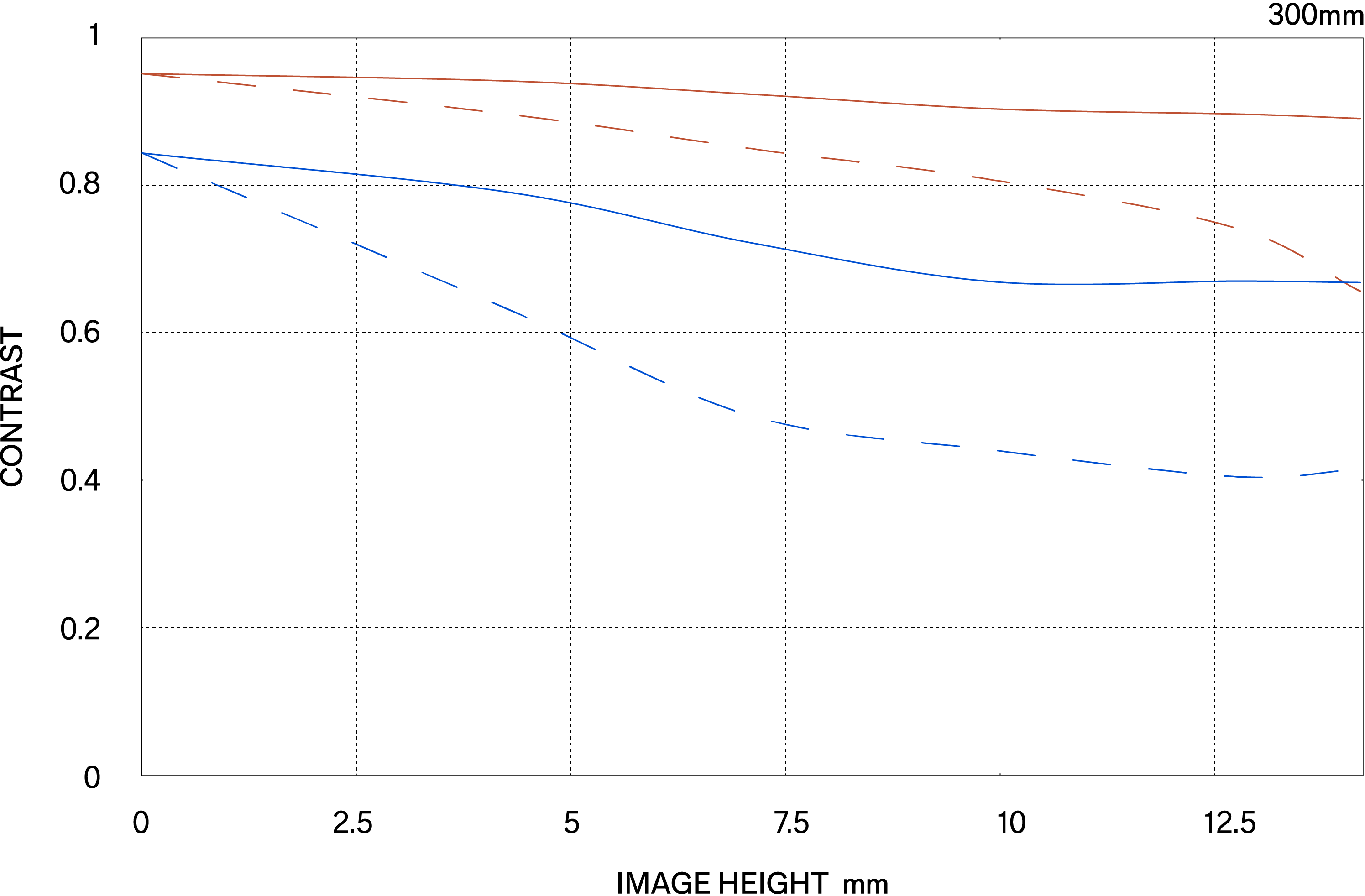
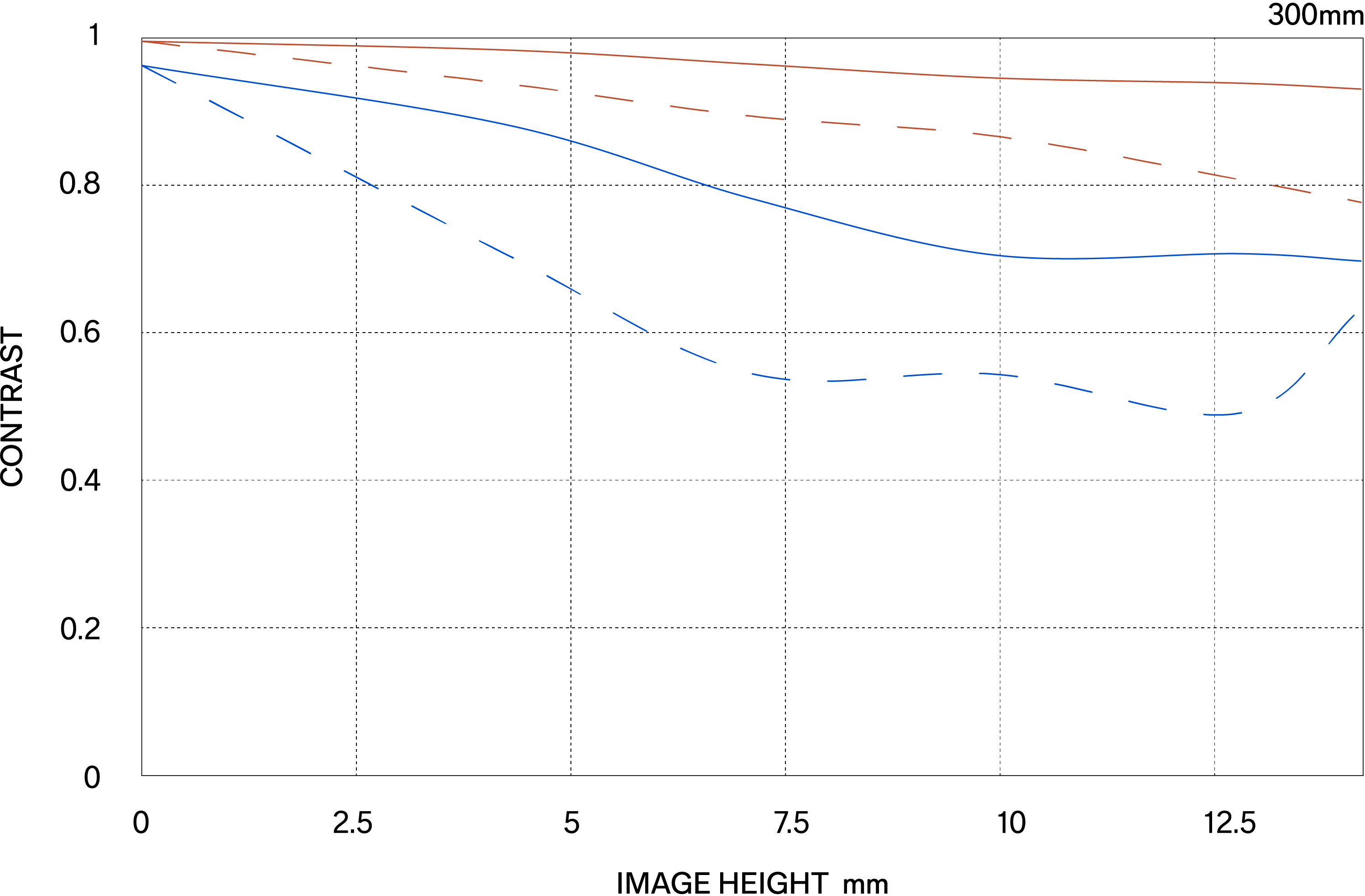
Compact, fast, and officially qualified; independent testing finds the 300mm edges less convincing on the densest sensor.


Source-normalized independent lab result; cross-system precision is limited.
The compact-value standard zoom: sharp on 26MP and still useful on 40MP, though 18mm corners expose the sensor’s demands.


55% diffraction-adjusted maker MTF · 45% compatible lab/technical prior.
A specialist depth-of-field instrument: strong central sharpness at F1, beautiful isolation, substantial size and LoCA.


Source-normalized independent lab result; cross-system precision is limited.
Excellent center resolution from F1.7 and good-to-very-good outer detail make this one of the strongest budget normals.
Source-normalized independent lab result; cross-system precision is limited.
A lighter, faster-focusing portrait alternative to the 75/1.2 Pro; promising optics, with independent X-mount data still maturing.
Diffraction-adjusted maker MTF with a conservative evidence penalty.
The classic premium kit zoom remains compact and pleasing, but 40MP exposes corner limits and copy variation.


55% diffraction-adjusted maker MTF · 45% compatible lab/technical prior.
A high-resolution compact prime; edges trail the newest large-aperture LM designs at wider settings.


Diffraction-adjusted maker MTF with a conservative evidence penalty.
A genuinely sharp pancake with an aperture ring; modest AF refinement is the trade for pocketability.


Source-normalized independent lab result; cross-system precision is limited.
A tiny autofocus ultra-wide with useful close focus and credible detail; a high-value alternative to much larger rectilinear glass.
Source-normalized independent lab result; cross-system precision is limited.
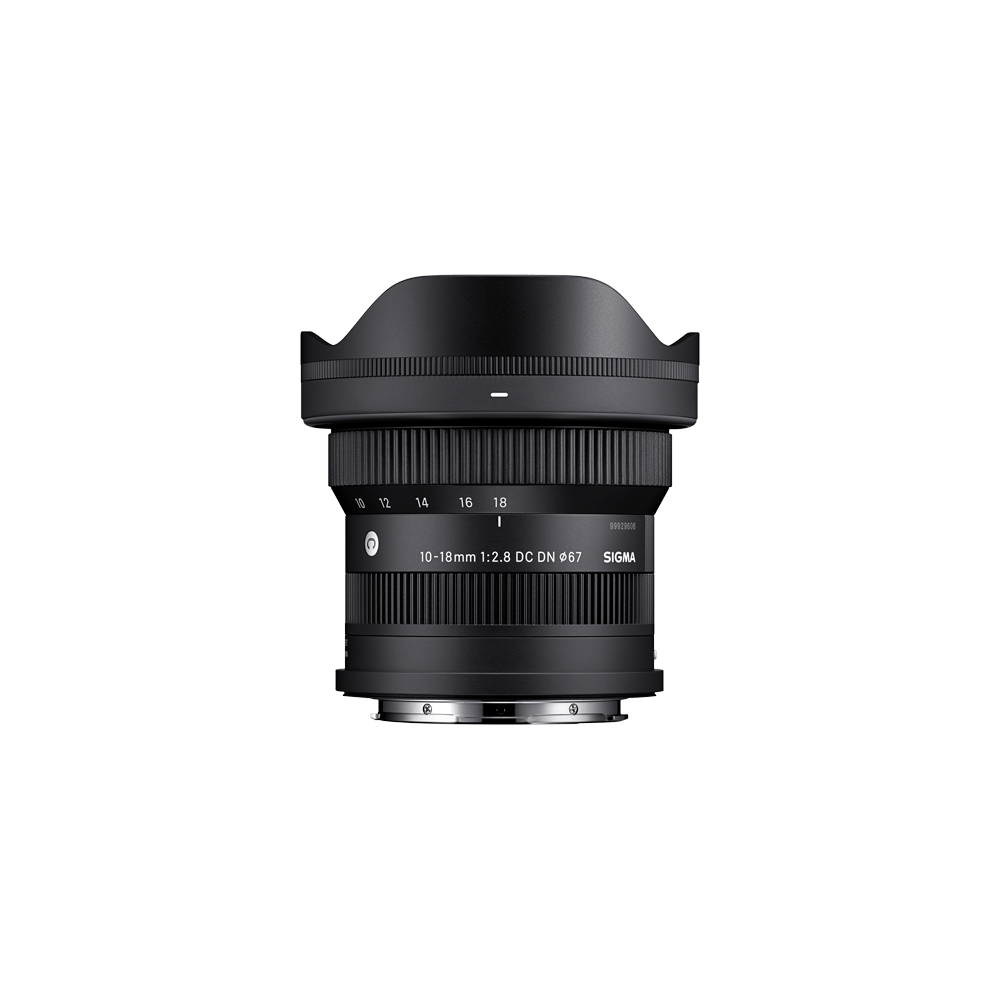
Bright, compact, and usefully wider than standard zooms; good detail with visible software correction and less reach than Fuji’s 10-24.
Source-normalized independent lab result; cross-system precision is limited.
A compact, bright wide prime with very good central detail; the newest design still lacks broad independent 40MP coverage.
55% diffraction-adjusted maker MTF · 45% compatible lab/technical prior.
Excellent range and stabilization for travel; sample variation and weaker corners keep it out of the high-resolution top tier.


Maker MTF available, but its method is not normalized to Fujifilm's curves.
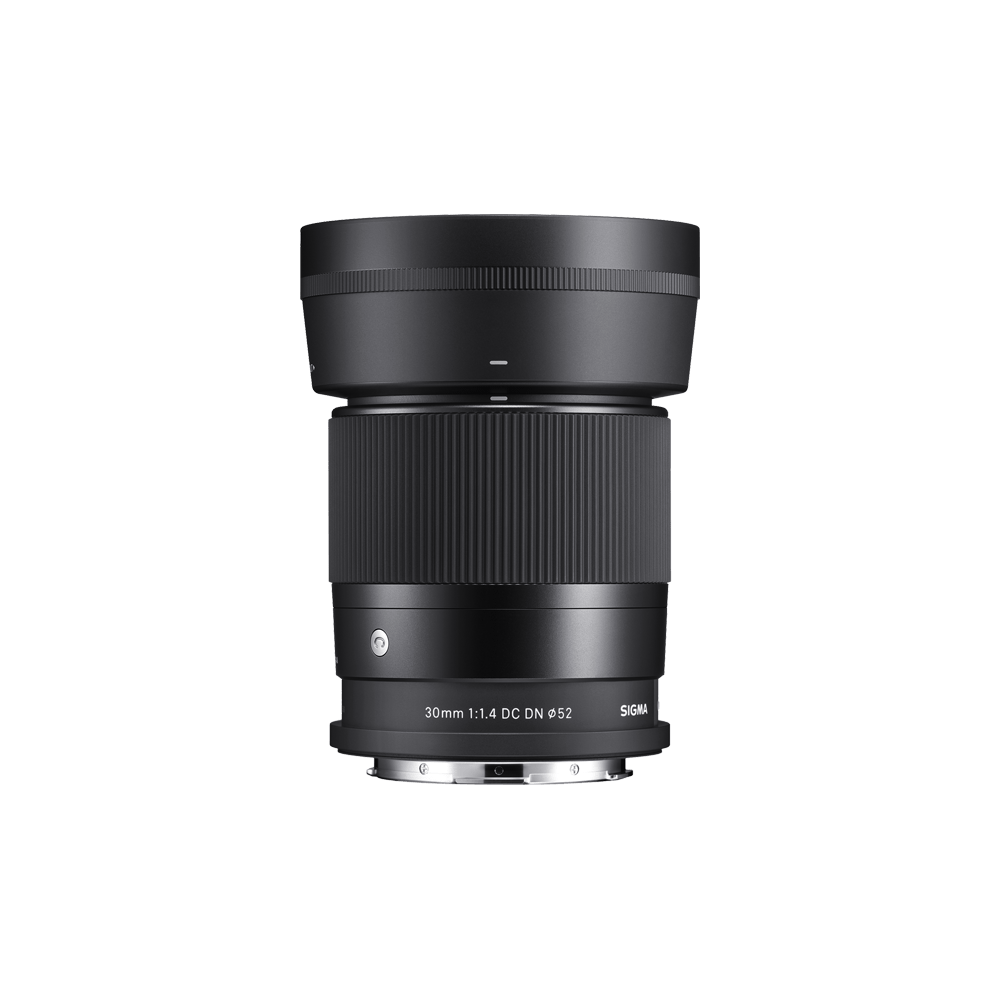
Strong central acuity, robust build, and good low-light value; some edge correction and bulk keep it below the newest Fujinon 18/1.4.


Source-normalized independent lab result; cross-system precision is limited.
A light, affordable normal with quick AF and good acuity; less tactile and less corrected than premium alternatives.
Source-normalized independent lab result; cross-system precision is limited.
A remarkably small portrait prime with clean central detail and quick focus; build and edge performance reflect the Air brief.
Ordinal consensus from 3 independent technical/community sources.
A remarkably light sealed tele-prime with smooth blur and good all-area resolution; an excellent portable portrait specialist.
Diffraction-adjusted maker MTF with a conservative evidence penalty.
A video-first internal power zoom with useful range and official edge-to-edge qualification; less compelling for close-focus stills.


Diffraction-adjusted maker MTF with a conservative evidence penalty.
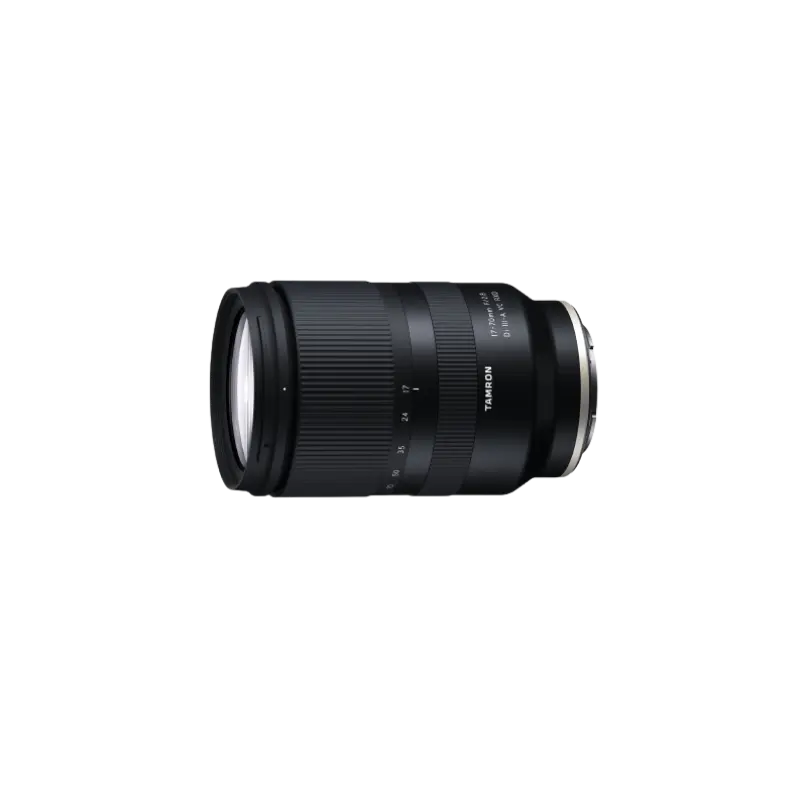
Versatile, stabilized, and weather-ready. Very good at the wide end; the long end and extreme corners do not fully exploit 40MP.


Diffraction-adjusted maker MTF with a conservative evidence penalty.
Small, fast-focusing, and remarkably even. Less blur than the F1.4 options, but few optical weak points.


Source-normalized independent lab result; cross-system precision is limited.
Impossibly small and consistently good, but pixel-level sharpness drops visibly on 40MP—especially outside the center.


Diffraction-adjusted maker MTF with a conservative evidence penalty.
Still loved for close focus and dimensional rendering. Strong on 40MP stopped down, softer at the edges wide open than the LM generation.


Ordinal consensus from 3 independent technical/community sources.
A beautifully made electronic pancake with crisp stopped-down detail and direct manual feel; wide-open corners and price are the trade.
Maker MTF available, but its method is not normalized to Fujifilm's curves.
Compact speed and very good center detail at an excellent price; edges and axial color improve notably when stopped down.


Ordinal consensus from 2 independent technical/community sources.
A bright normal optimized as part of a matched set—good subject detail and bokeh, with more optical compromises than Viltrox Pro.
Ordinal consensus from 2 independent technical/community sources.
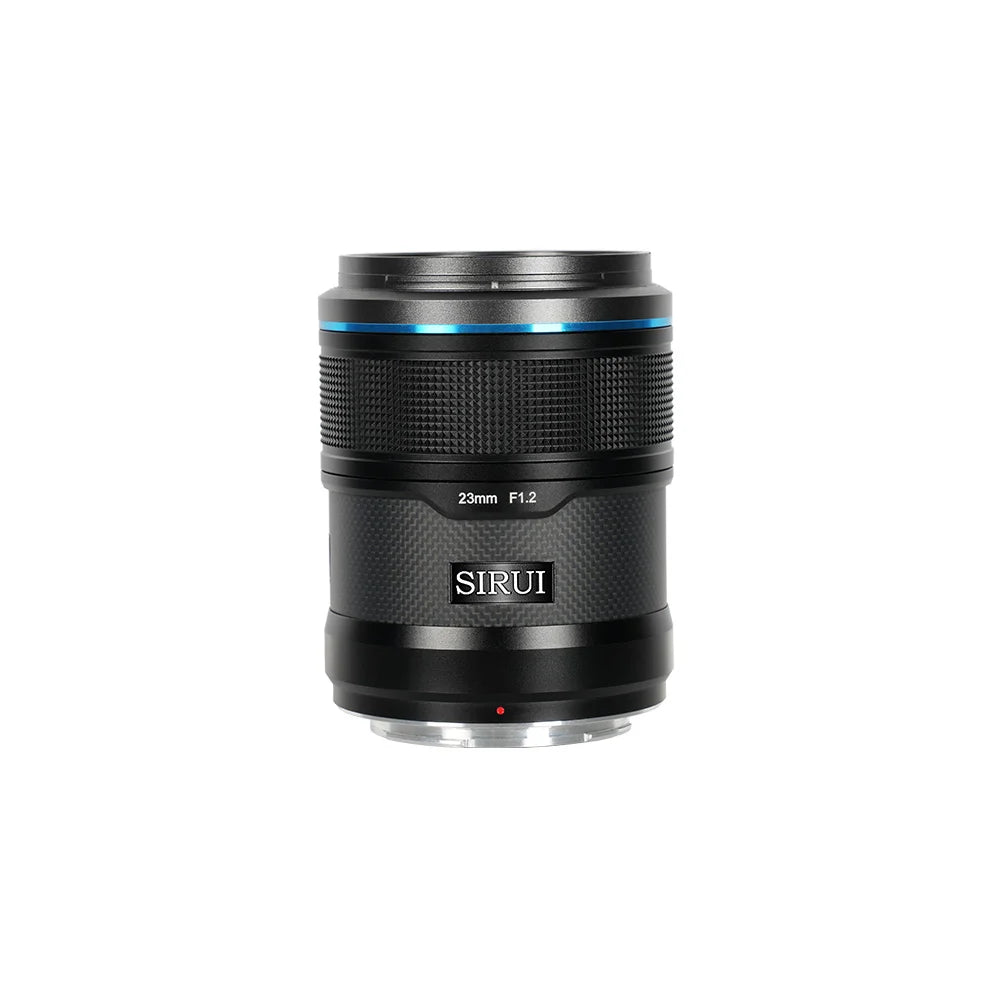
A value F1.2 portrait tool with matched color across the Sniper set; capable center detail, softer outer field wide open.
Diffraction-adjusted maker MTF with a conservative evidence penalty.
Fast, quiet, sealed, and genuinely sharp; close-range softness wide open is the notable compromise.


Ordinal consensus from 2 independent technical/community sources.
Fast, matched rendering and capable subject AF at a competitive price; corners and flare are less controlled than flagship primes.
Source-normalized independent lab result; cross-system precision is limited.
A compact, affordable portrait prime with pleasing blur and good center detail; premium rivals are cleaner wide open.
Source-normalized independent lab result; cross-system precision is limited.
Crisp central portrait detail and attractive value, but a full-frame-derived design makes it larger than APS-C-native rivals.
Useful image quality and often excellent value, but not a first choice when maximum pixel-level detail is the goal.
Source-normalized independent lab result; cross-system precision is limited.
Good value and a bright normal field of view; the newer Fujifilm, Sigma, and Viltrox Pro optics are more even and refined.
Source-normalized independent lab result; cross-system precision is limited.
Affordable speed and pleasant rendering, but field curvature, LoCA, and edge softness put it below newer Fuji and Sigma designs.
Source-normalized independent lab result; cross-system precision is limited.
The budget autofocus pancake: decent stopped-down detail and true pocketability, with vignetting and flare as visible compromises.
Maker MTF available, but its method is not normalized to Fujifilm's curves.
The range champion with useful stabilization and 1:2 close-up ability. Its purpose is one-lens coverage, not uniform 40MP corners.


Source-normalized independent lab result; cross-system precision is limited.
A remarkably competent one-lens travel solution with strong close focus; detail falls at the long end, where the XF 70-300 wins.
Choose for rendering, speed, size, or handling—not for uniform edge-to-edge 40MP resolution.
Diffraction-adjusted maker MTF with a conservative evidence penalty.
Central detail remains very good, but its signature is transition and contrast—not edge-to-edge 40MP perfection or modern AF.


Available for X mount, but comparable technical evidence is not yet strong enough for a firm placement.
Diffraction-adjusted maker MTF with a conservative evidence penalty.
The widest, lightest XC kit zoom. Early evidence favors portability and video utility; comparable 40MP lab data is still limited.


Manufacturer data only; no firm optical rank is claimed.
Low distortion, strong color and contrast, and good edges make this older ultra-wide relevant; AF and value are dated.
Manufacturer data only; no firm optical rank is claimed.
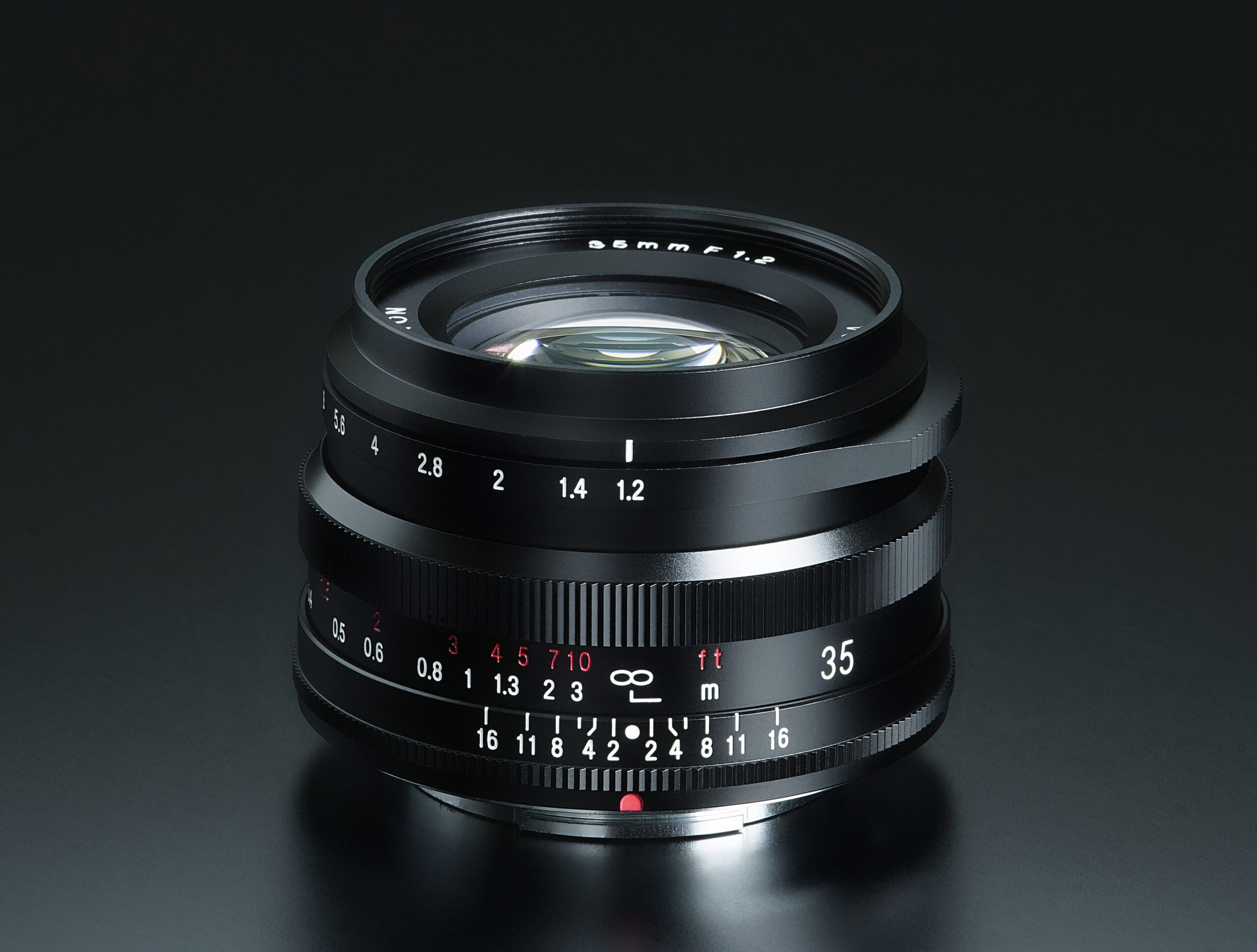
The fastest native X normal. Technically ambitious and sharp enough centrally, but selected for luminous rendering and manual craft.
Manufacturer data only; no firm optical rank is claimed.
Classic Zeiss contrast and very good central resolution in a light body; focus speed and edge uniformity reflect its generation.
Manufacturer data only; no firm optical rank is claimed.
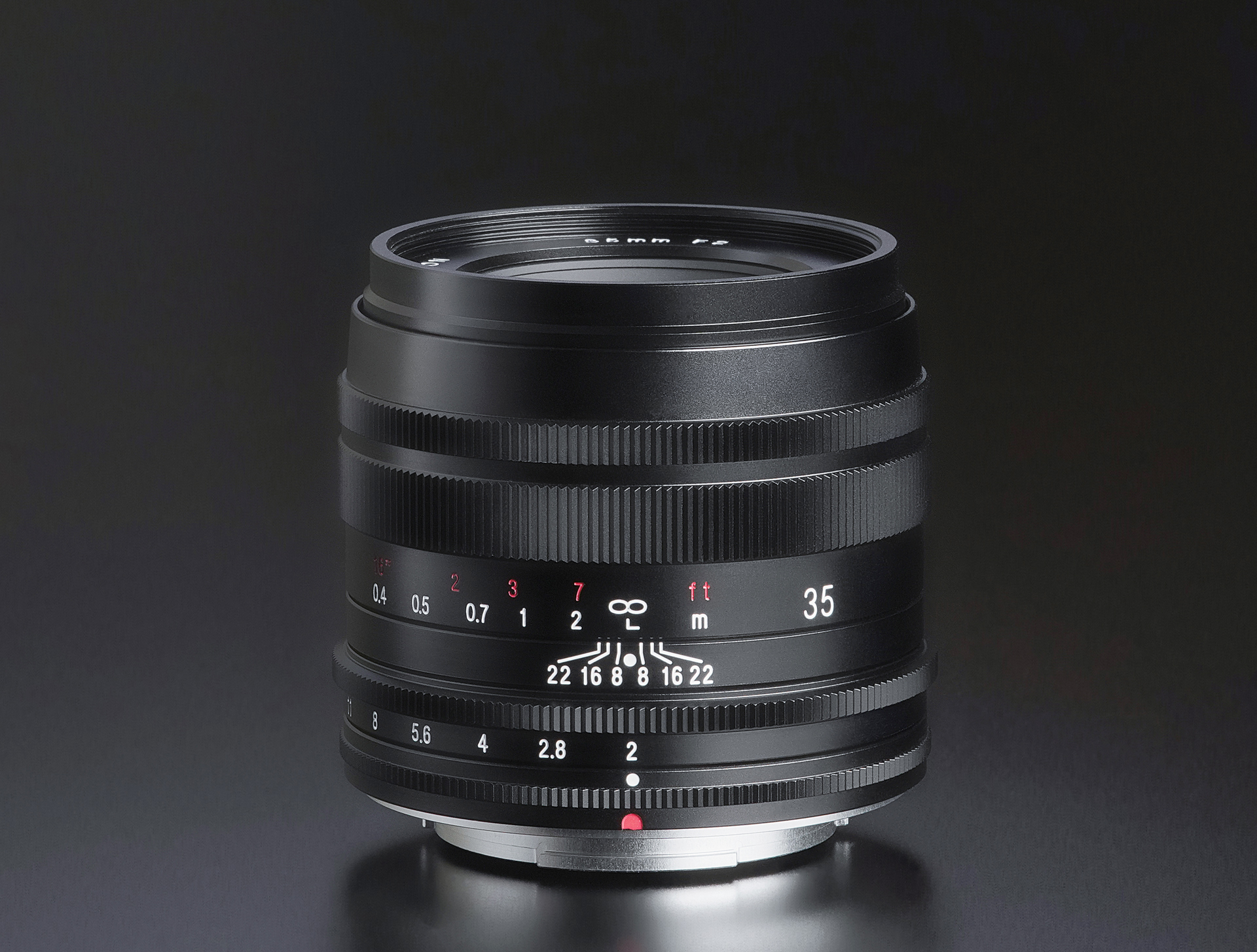
A compact manual portrait prime balancing luminous subject separation with strong stopped-down detail and electronic communication.
Manufacturer data only; no firm optical rank is claimed.
A crisp, lightweight half-macro with pleasing portrait rendering; slow focus and 0.5× magnification reveal its first-generation roots.
Manufacturer data only; no firm optical rank is claimed.
A bright compact ultra-wide zoom with solid corners when stopped down; its short range targets interiors, astro, and video.
Manufacturer data only; no firm optical rank is claimed.
A proven budget portrait lens with good central sharpness and bokeh; color fringing and corner performance trail the Pro version.
Manufacturer data only; no firm optical rank is claimed.
The long matched Sniper prime offers dramatic separation and electronic AF; independent X-mount resolution data remains limited.
Manufacturer data only; no firm optical rank is claimed.
A sharp central telezoom with excellent value and lighter mass than pro wildlife glass; full-frame origins and aperture limit portability gains.
Manufacturer data only; no firm optical rank is claimed.
Part of a matched F1.2 autofocus set with creator-friendly controls; final placement awaits broader independent 40MP testing.
Manufacturer data only; no firm optical rank is claimed.
Exceptionally compact for F1.2, with vintage-like softness wide open and strong, high-contrast detail after F2.8.
Manufacturer data only; no firm optical rank is claimed.
Compact and expressive below F2, then sharp and contrasty by F2.8. Electronic contacts preserve EXIF and focus assist.
Manufacturer data only; no firm optical rank is claimed.
A promising color-corrected 1:2 macro/normal hybrid, but no comparable X-mount lab MTF set currently supports a firm resolution tier.
Manufacturer data only; no firm optical rank is claimed.
The 1:1 macro has a strong reputation, but the available X-mount evidence is not comparable enough for a firm modern resolution tier.
Manufacturer data only; no firm optical rank is claimed.
A tactile value normal with good central sharpness, but more residual aberration and weaker outer-field results than current leaders.
Manufacturer data only; no firm optical rank is claimed.
Affordable metal-bodied speed with familiar rendering; the optical design trails the newer Fujinon, Sigma, and Viltrox Pro glass.
Manufacturer data only; no firm optical rank is claimed.
A full-featured sealed portrait option with STM focus and high-resolution ambitions; final ranking awaits broader X-mount tests.
Manufacturer data only; no firm optical rank is claimed.
Affordable eye-AF portrait reach with usable wide-open detail; LoCA, flare, and edge performance distinguish it from Sigma and Viltrox.
Manufacturer data only; no firm optical rank is claimed.
A refined lightweight budget normal with responsive AF and good center sharpness; outer-field uniformity remains modest.
Manufacturer data only; no firm optical rank is claimed.
A dependable sealed travel zoom with strong stabilization; reach and convenience outrank pixel-level edge sharpness.
Manufacturer data only; no firm optical rank is claimed.
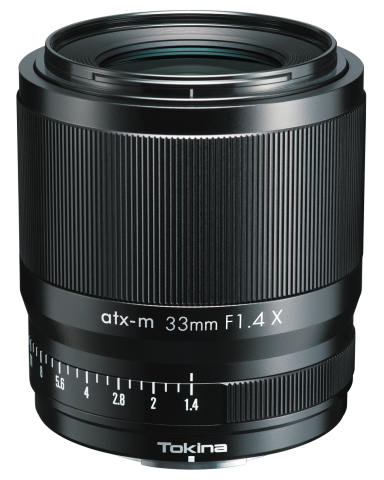
A compact metal-bodied budget 35mm-equivalent with quiet AF; strong value, but not intended as a 40MP reference optic.
Manufacturer data only; no firm optical rank is claimed.
A low-cost bright portrait prime with eye AF and pleasant blur; sample consistency and technical coverage merit caution.
Manufacturer data only; no firm optical rank is claimed.
Lightweight telephoto reach with respectable daylight sharpness; plastic build, slow aperture, and AF separate it from XF glass.
Manufacturer data only; no firm optical rank is claimed.
A tiny, lively documentary lens chosen for size and rendering rather than corner acuity or polished autofocus.
Manufacturer data only; no firm optical rank is claimed.
A light entry portrait lens with modern autofocus; manufacturer claims are promising, but comparable independent data is sparse.
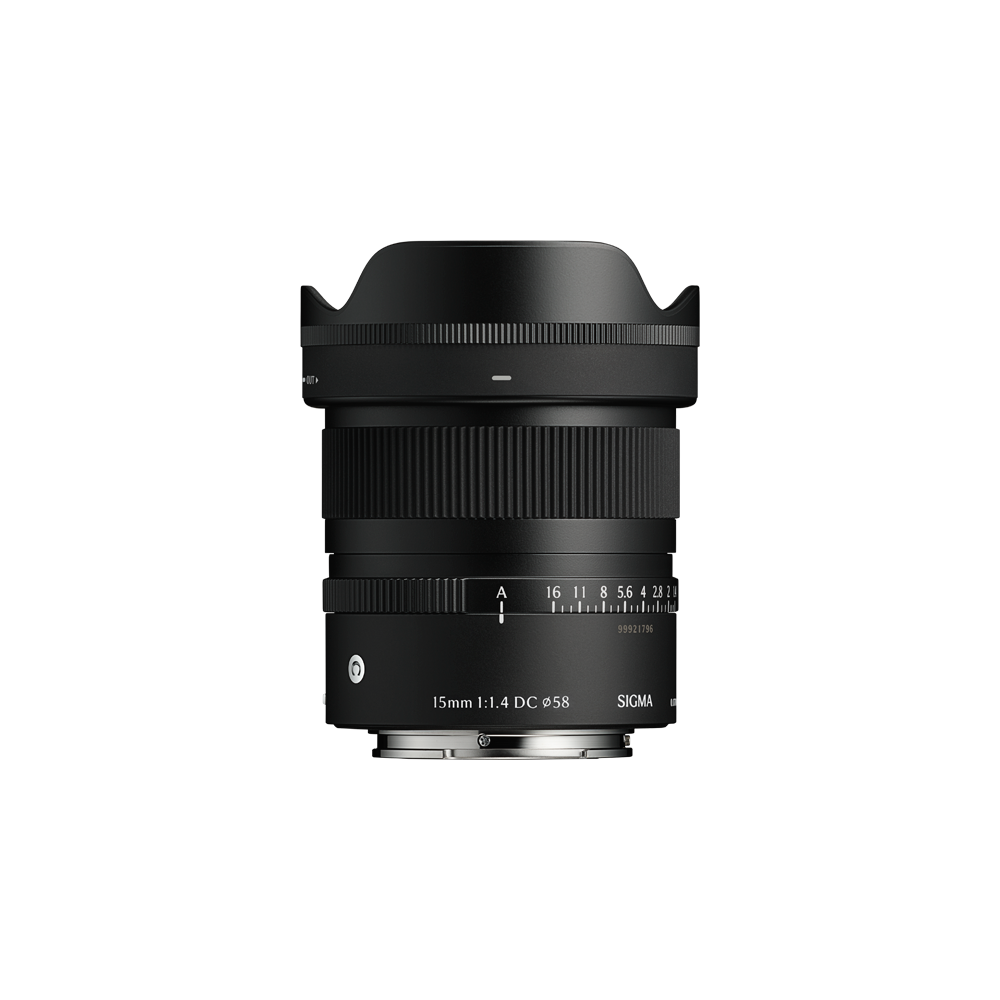
Manufacturer data only; no firm optical rank is claimed.
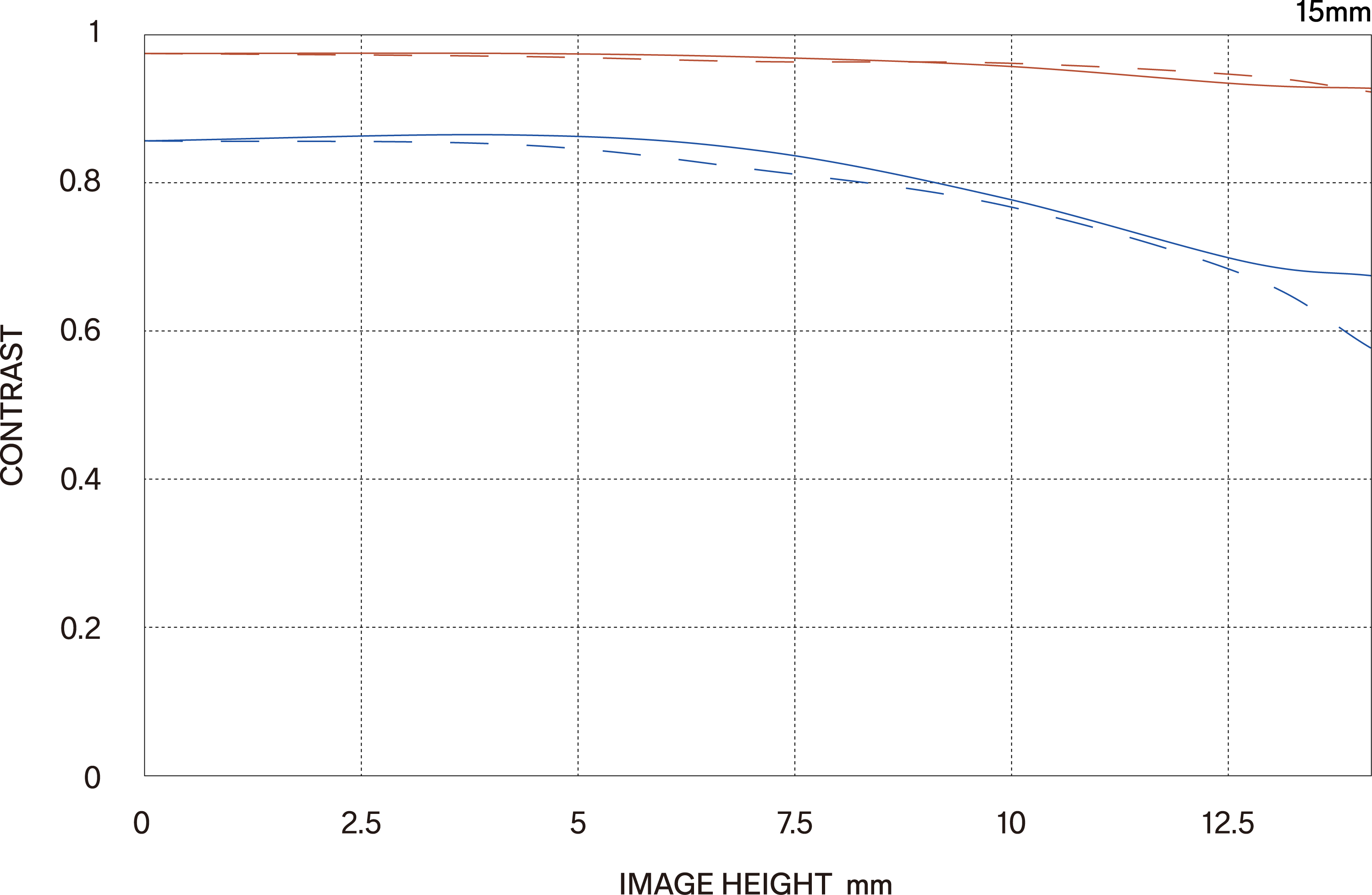
A genuinely useful 23mm-equivalent kit start and close focus in a tiny package; power-zoom handling and corners divide opinion.
Manufacturer data only; no firm optical rank is claimed.
A 15mm-thin body-cap lens with autofocus. Buy it for invisibility and fun, not corner-to-corner 40MP extraction.
03 / METHOD
The decimal is reproducible; the ± interval is the honest part. A number built from one theoretical maker chart is less certain than the same signal confirmed by a controlled test and multiple reviewers.
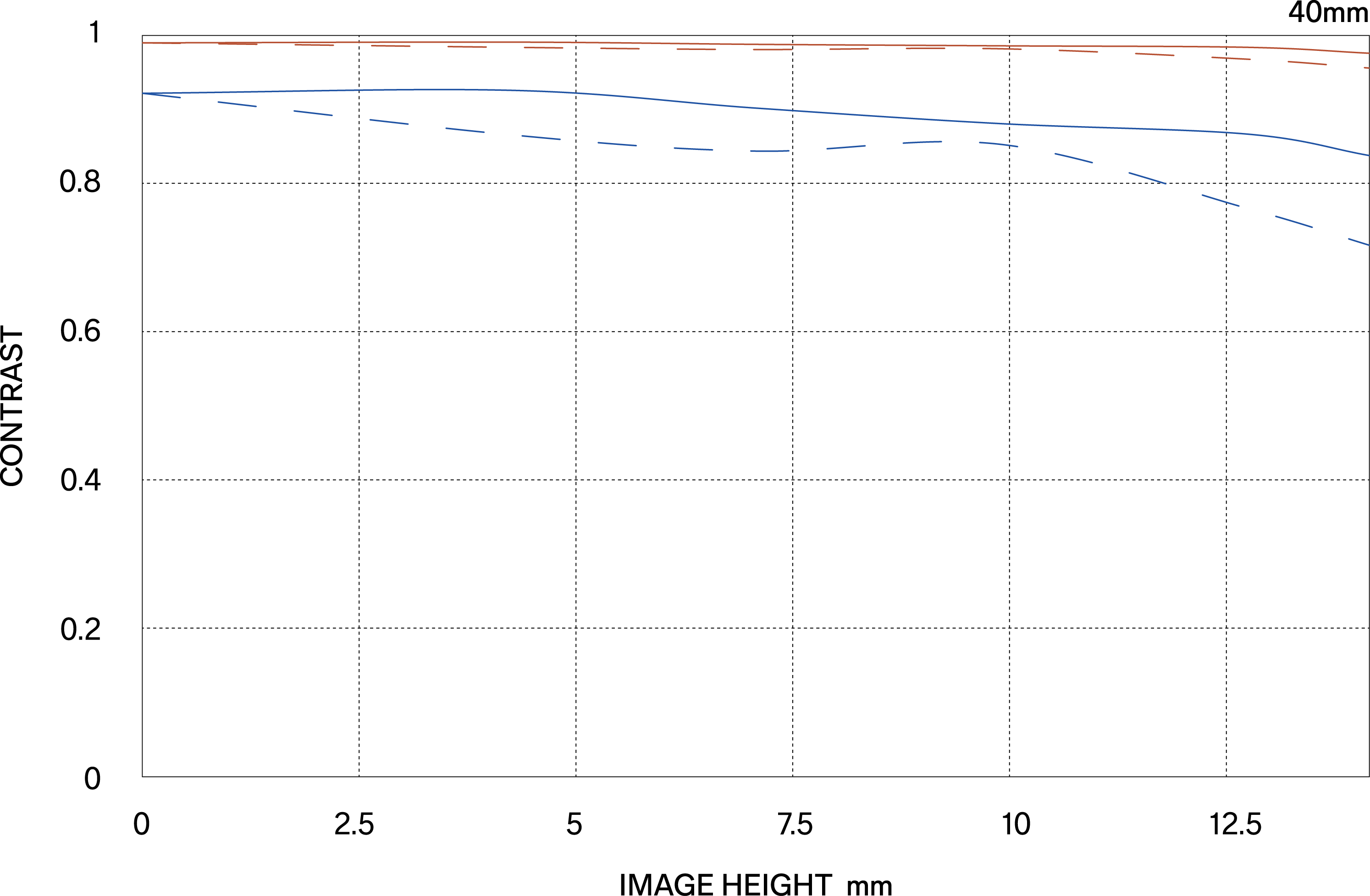
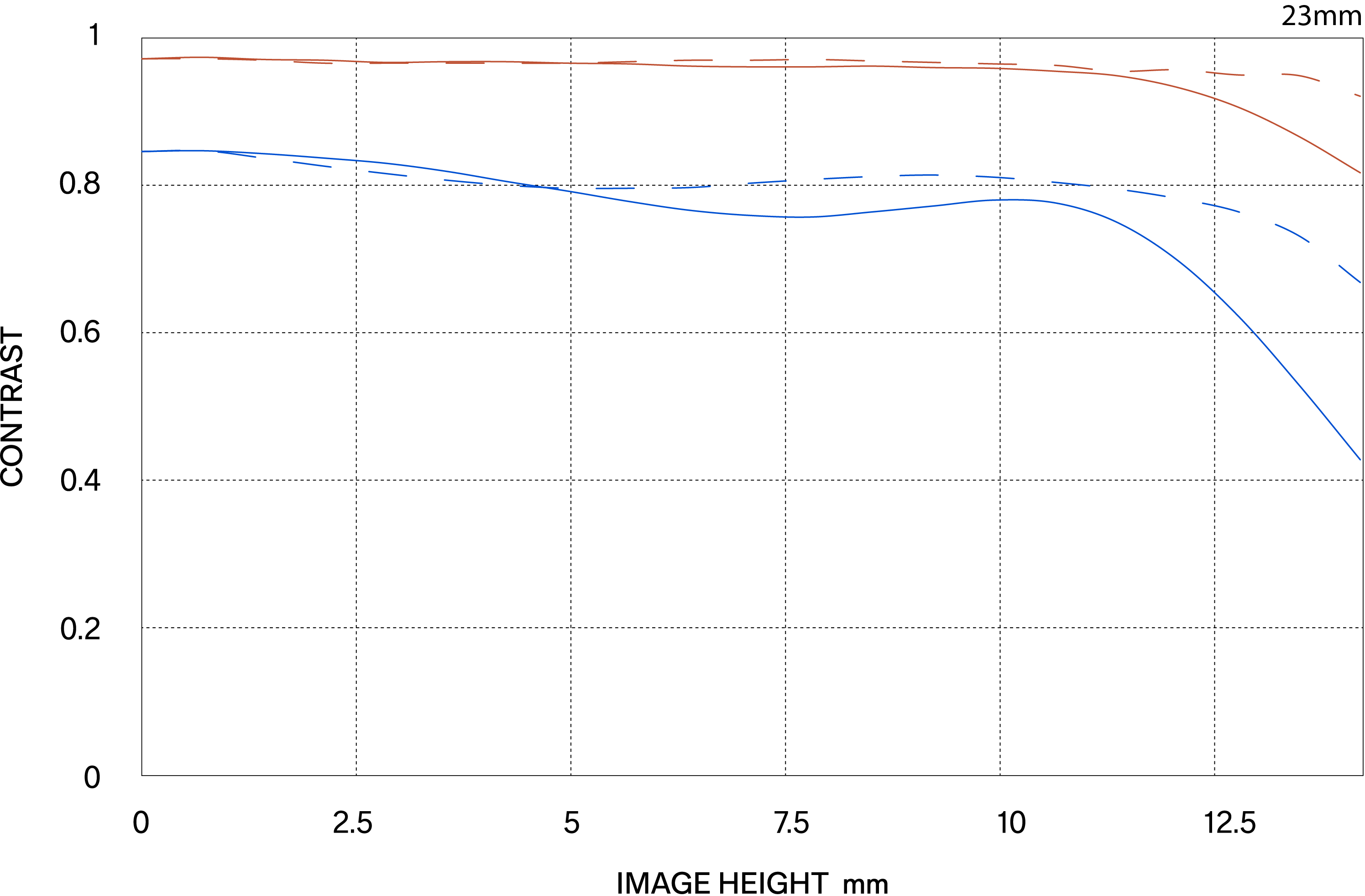
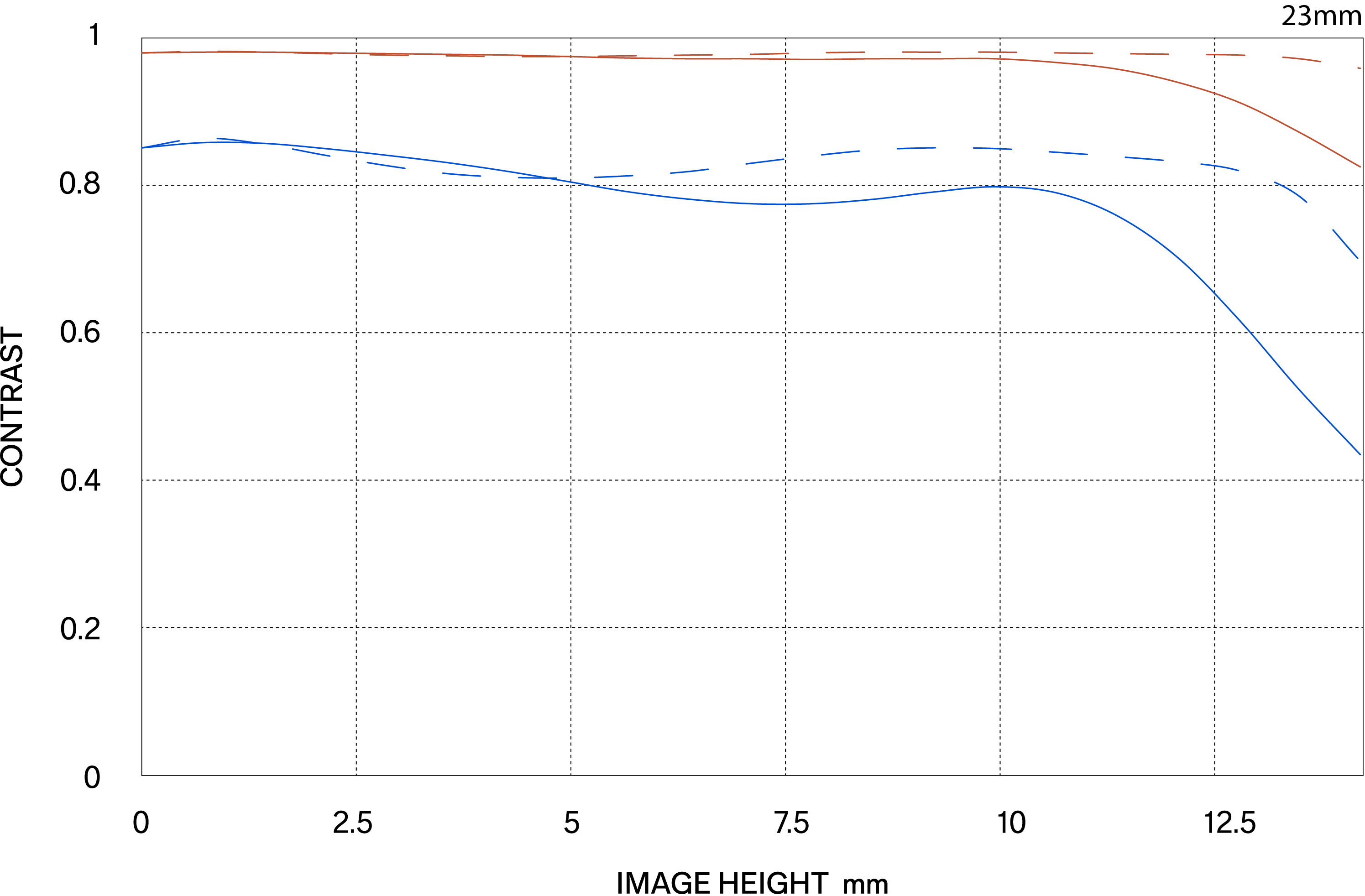
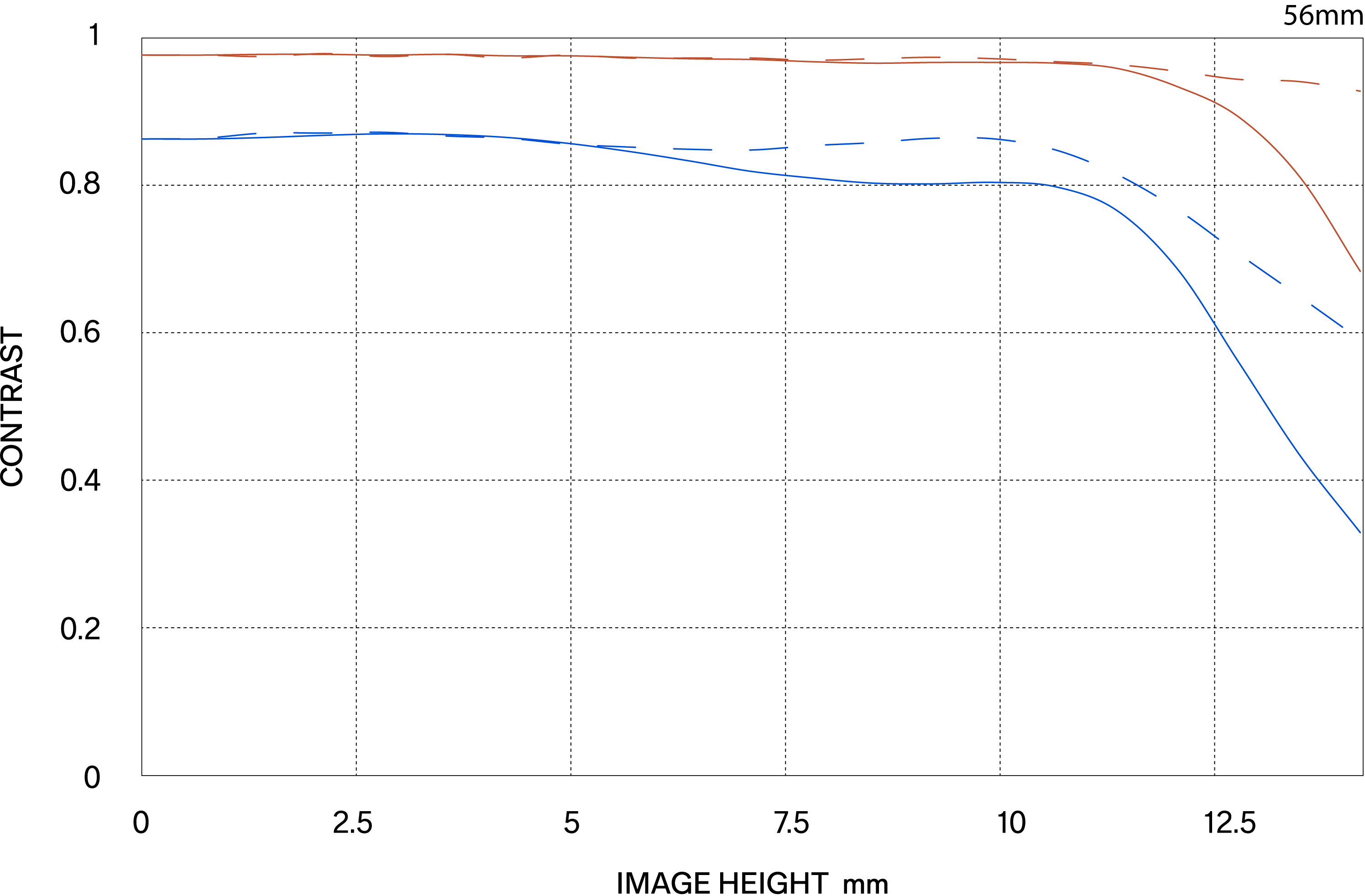
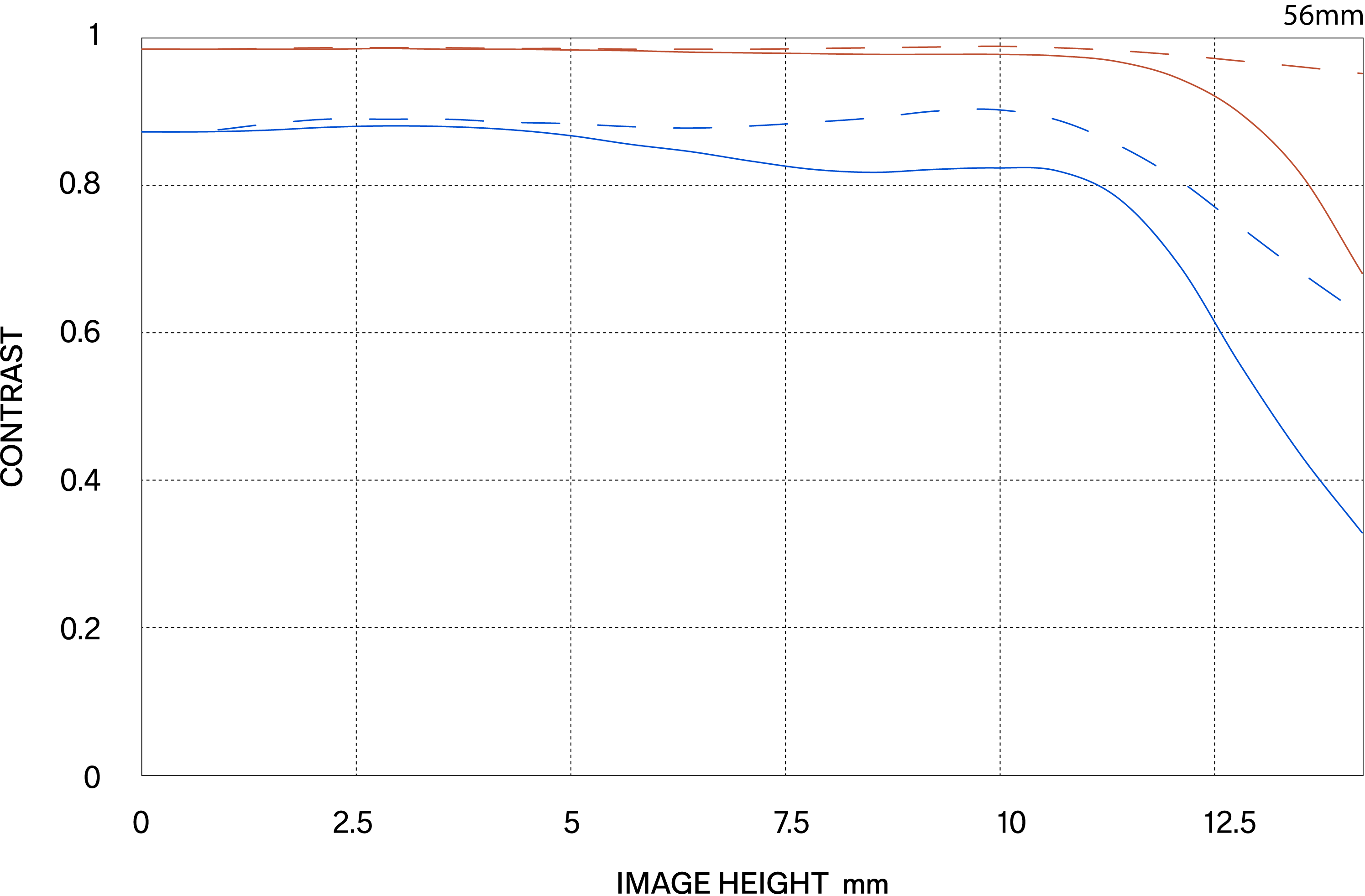
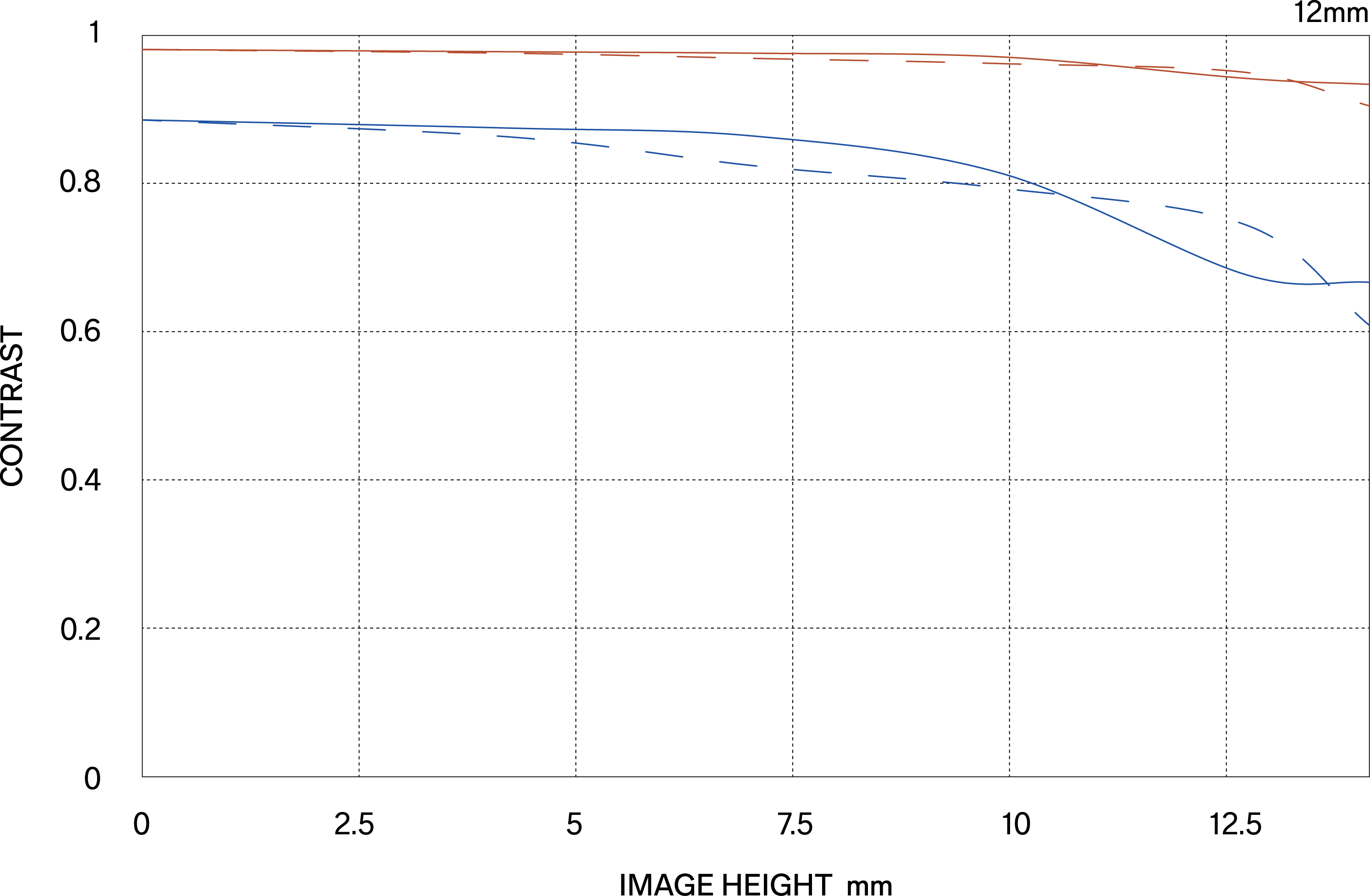
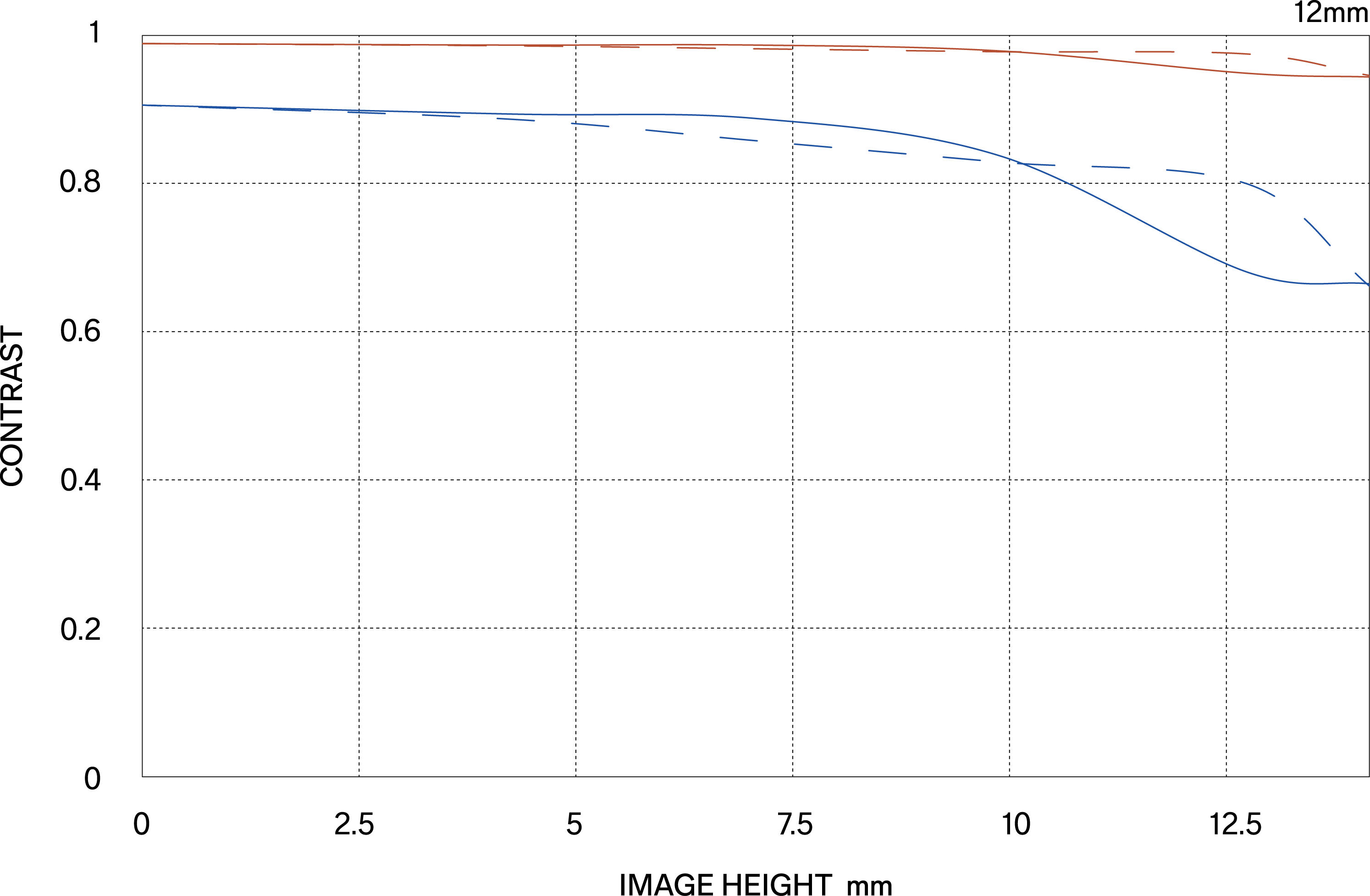
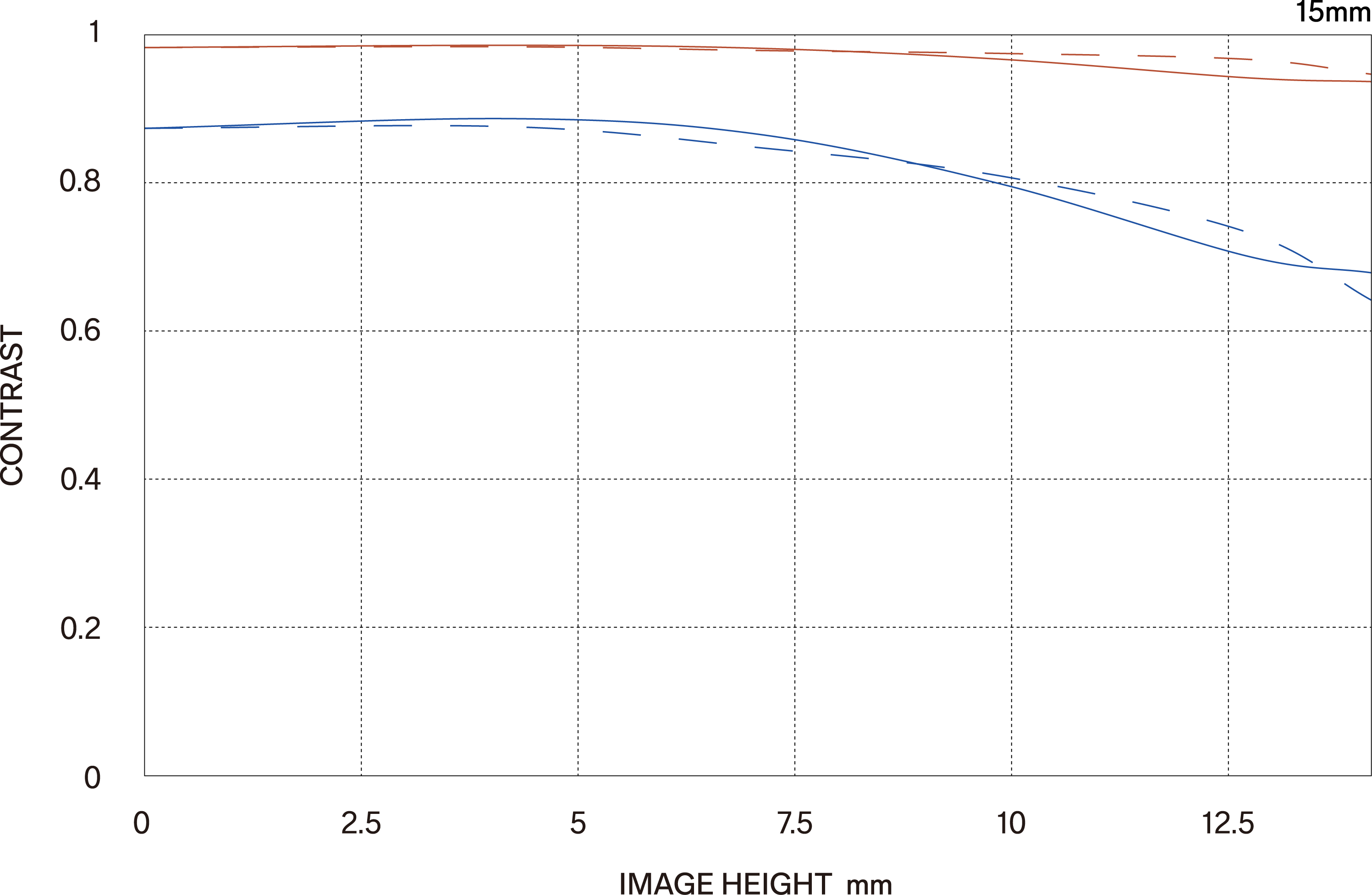
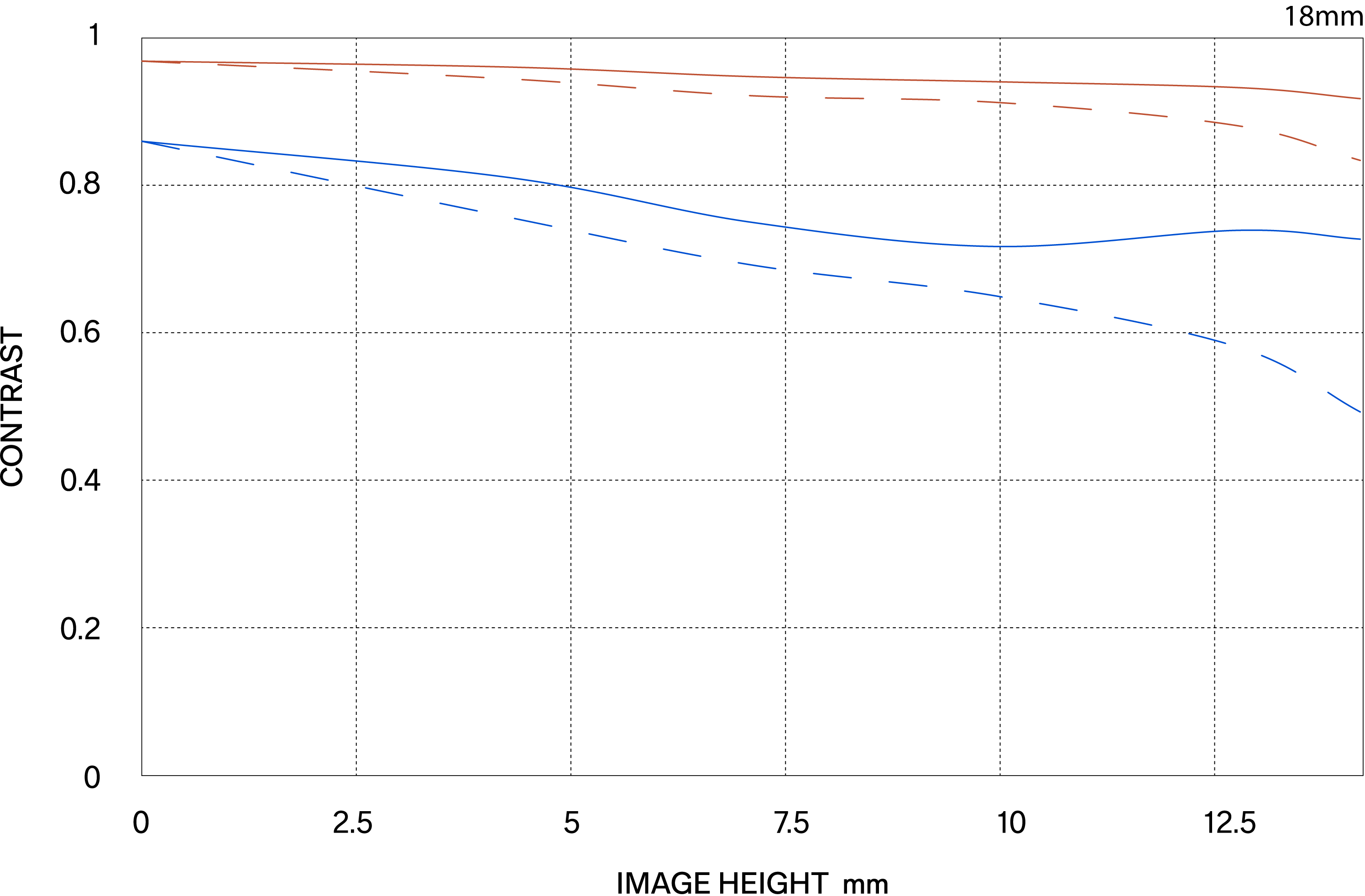
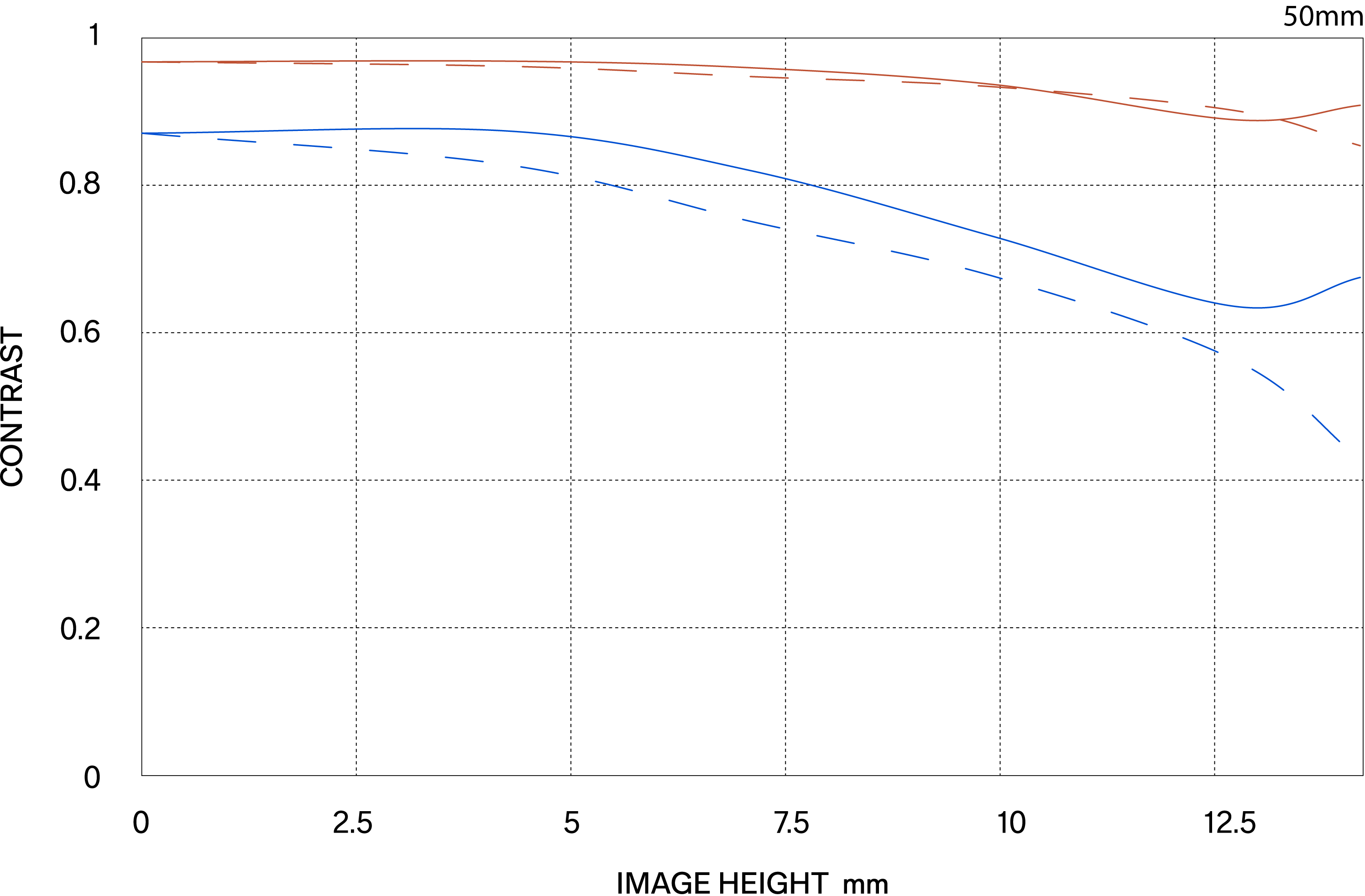
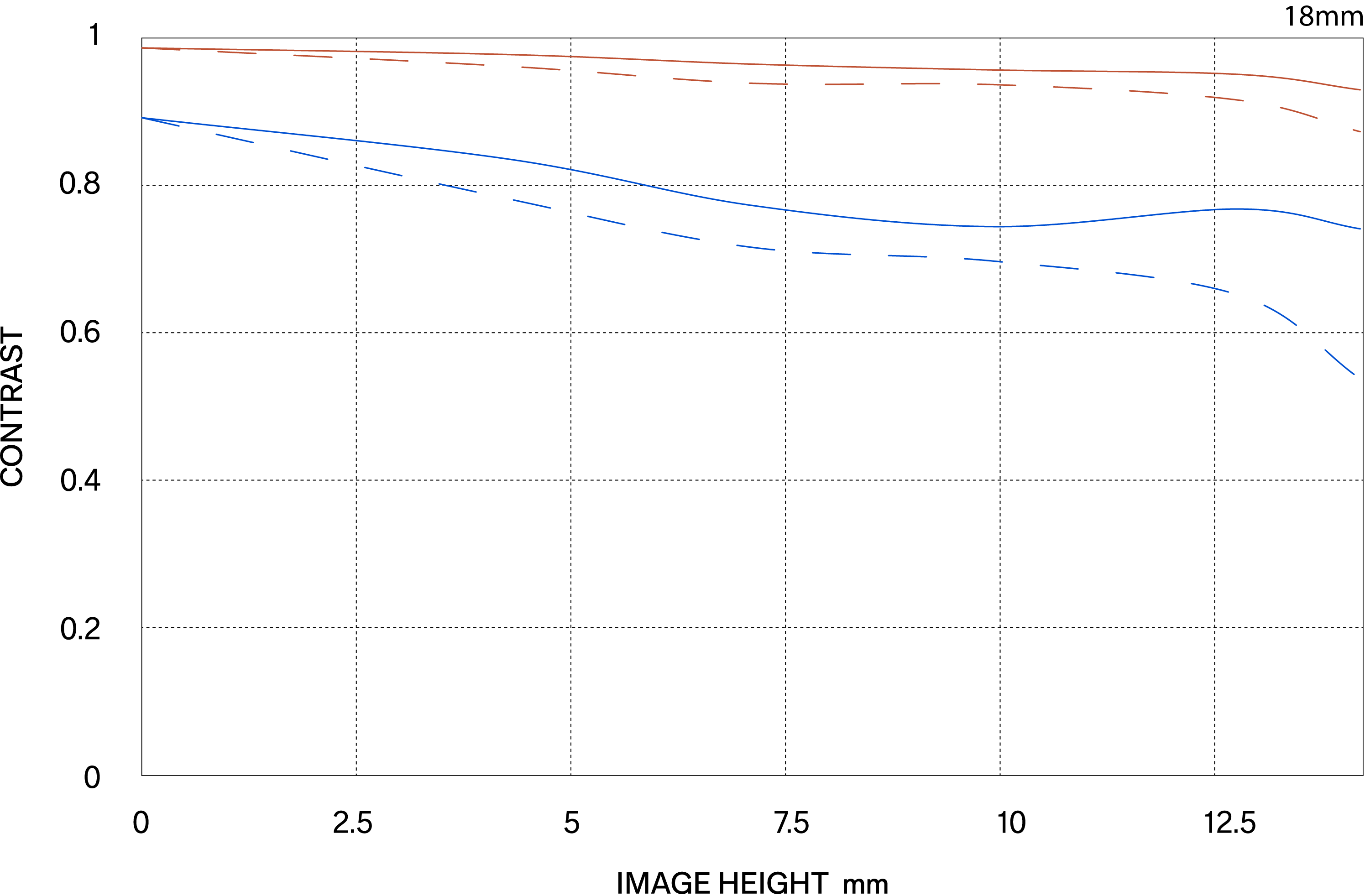
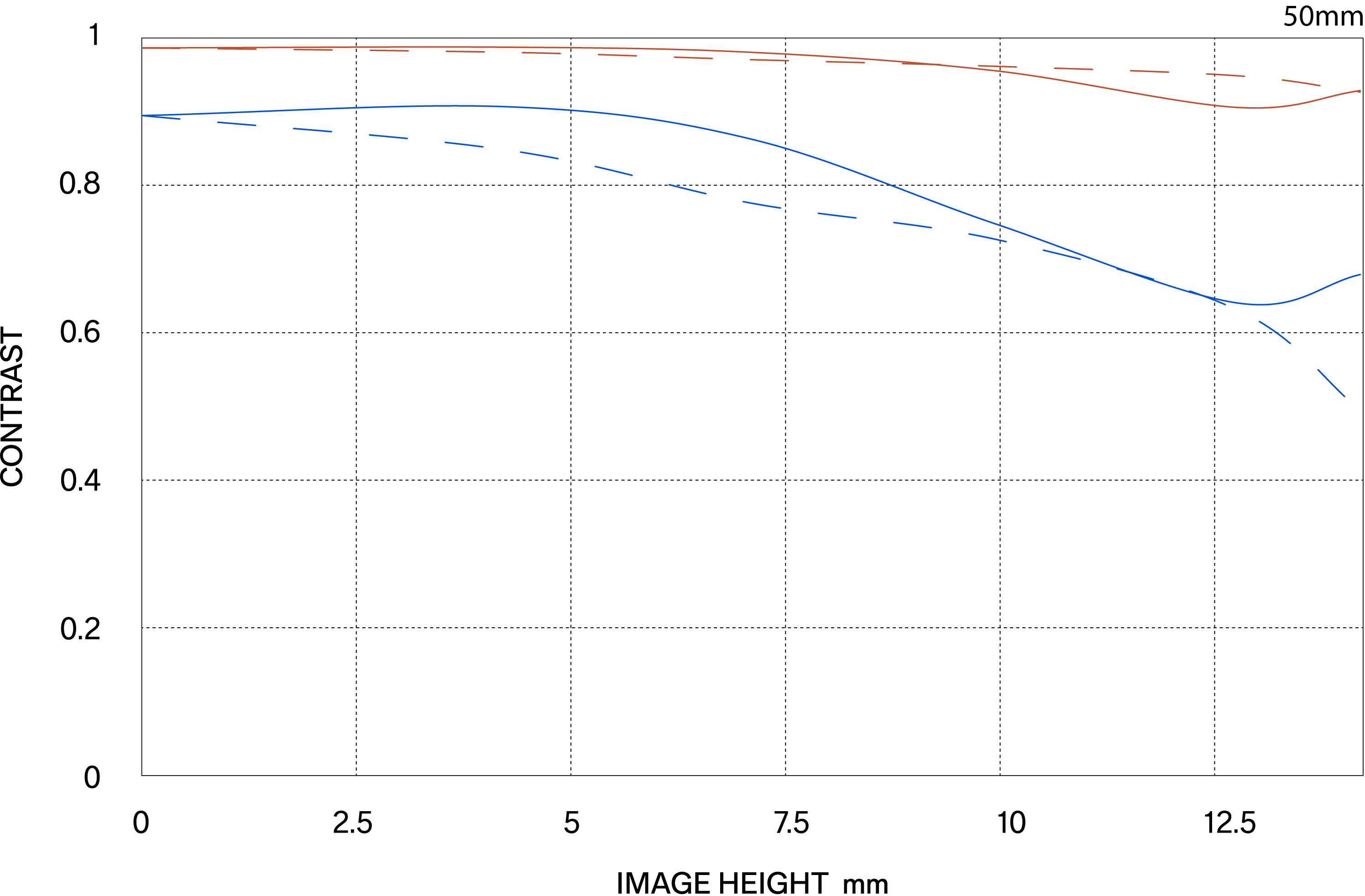
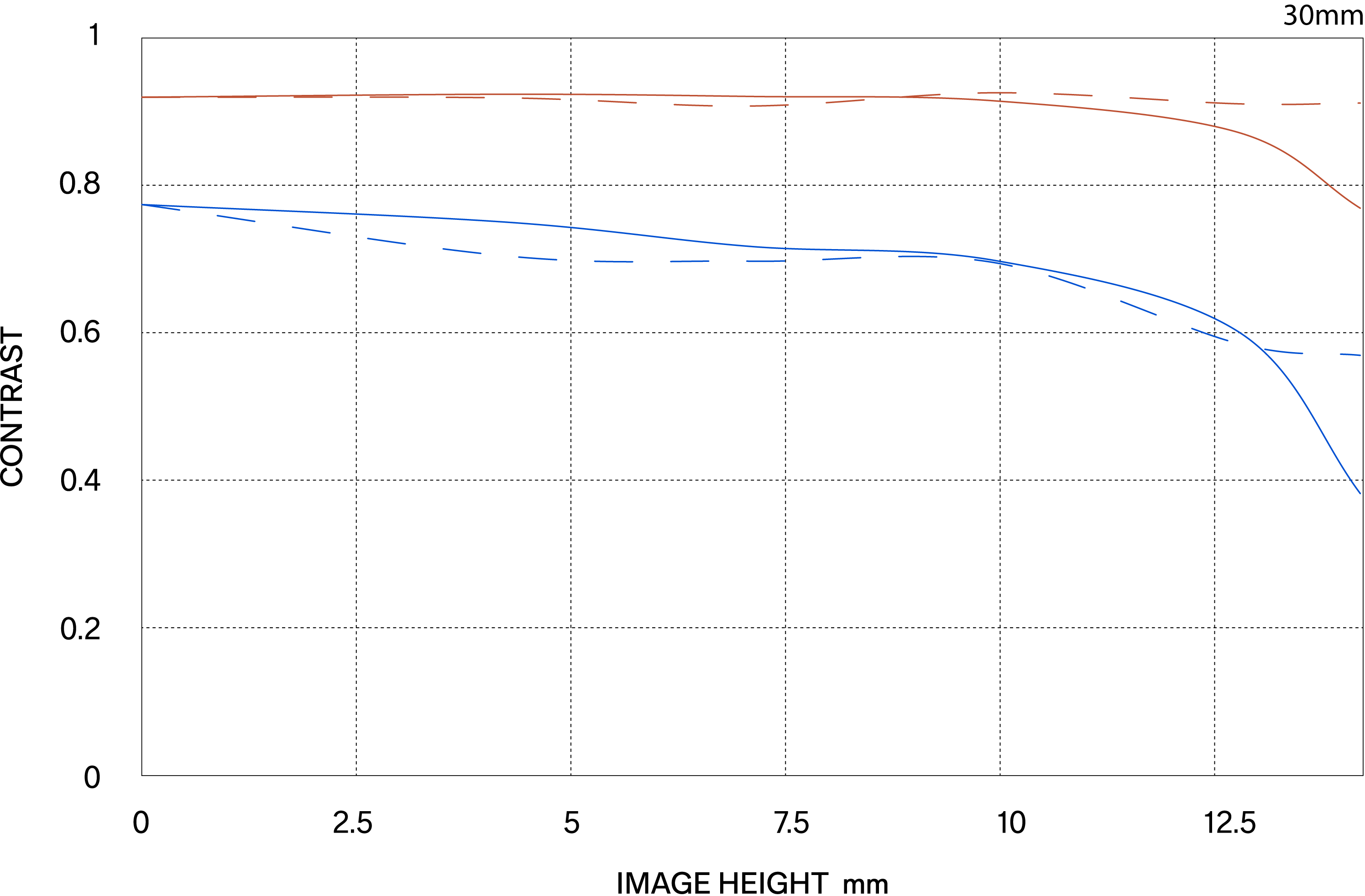
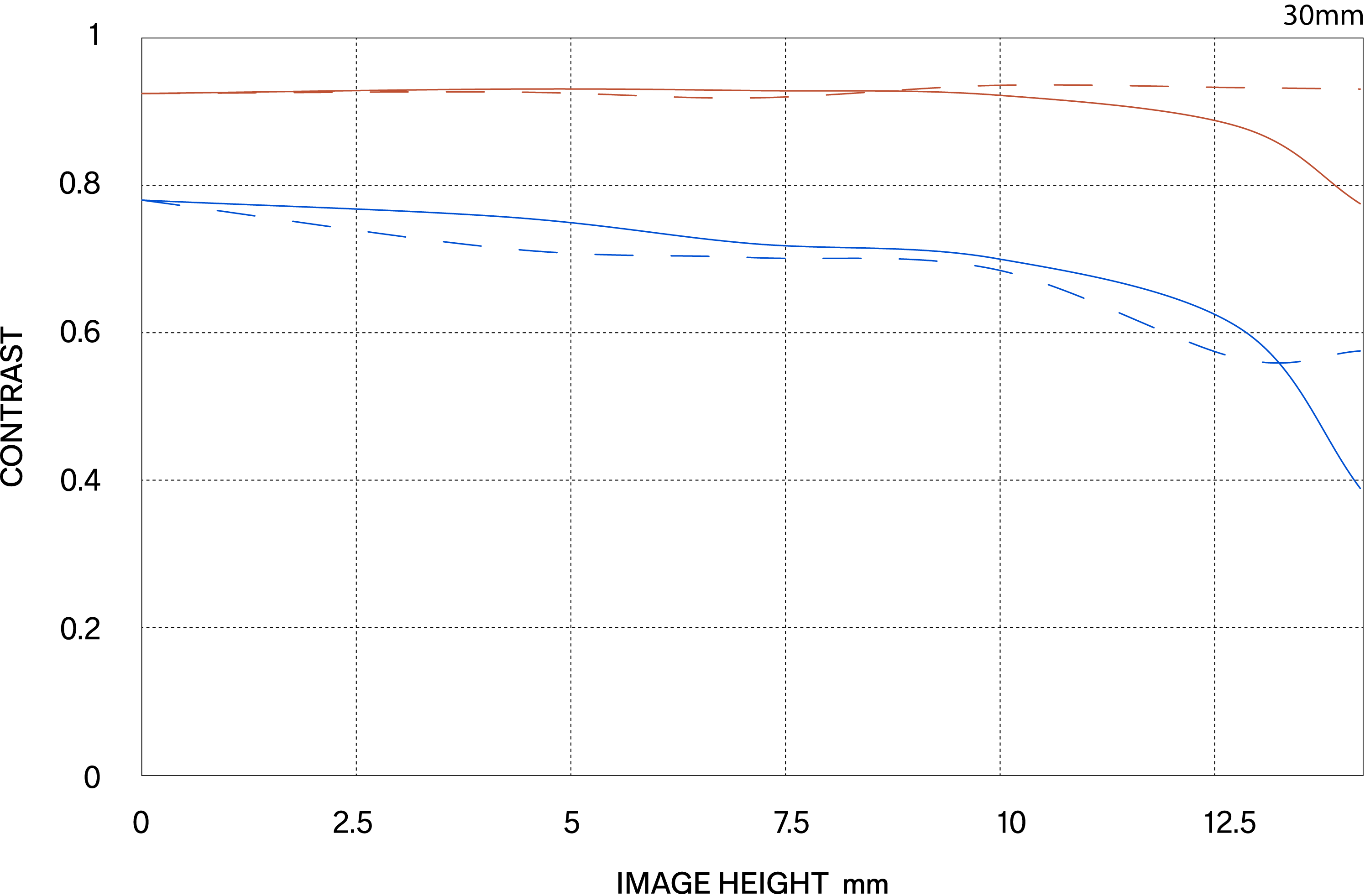
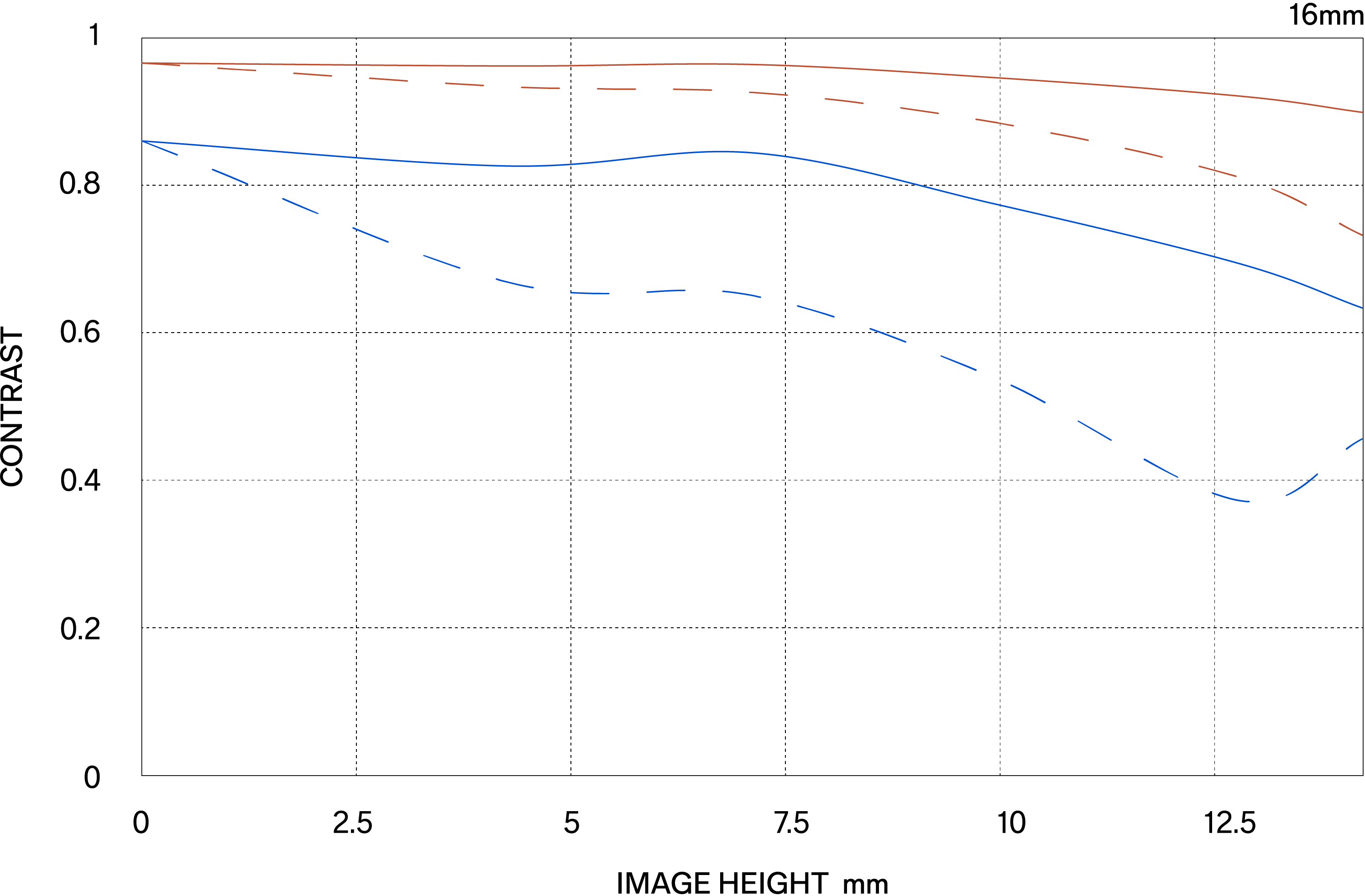
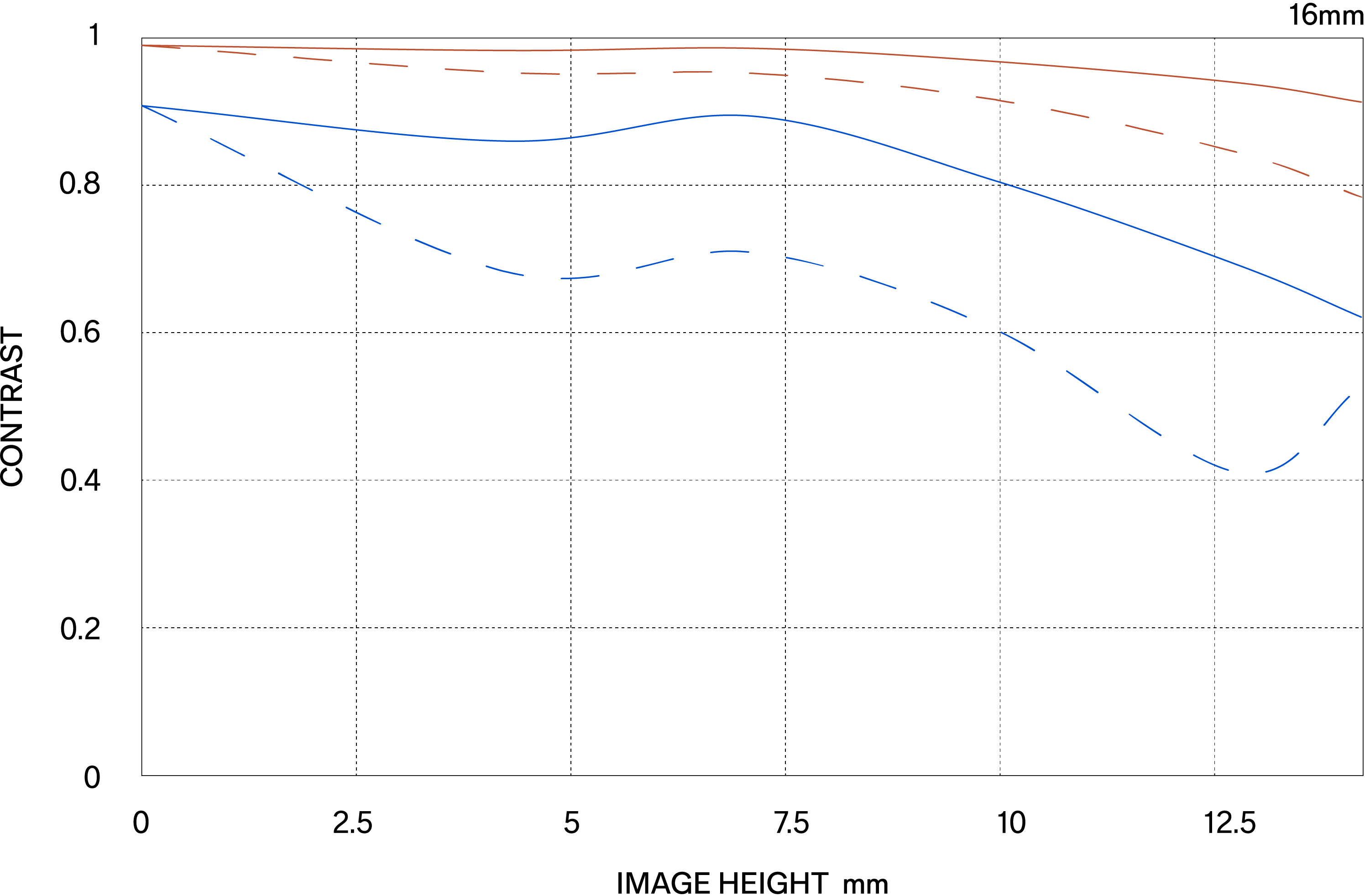
Area under both sagittal and meridional curves is sampled from center to corner. The 45 l/mm curve carries most weight because it is the stronger fine-detail test; the outer 20% and S/M agreement prevent a brilliant center from hiding weak edges or astigmatism.
Fujifilm’s near-perfect slow-lens curves cannot include real diffraction transfer. The index therefore applies the circular-aperture diffraction MTF at 550nm and the stated maximum aperture. This is why an F8 tele-end is not allowed to outrank an F2 prime on a geometrical curve alone.
When maker MTF and a compatible lab test both exist, the final index uses 55% normalized maker curve and 45% lab/technical prior. Lab-only results stay within their own sensor and pipeline cohort; Sigma and Fujifilm maker curves are not compared as raw absolutes.
With no comparable MTF, two or more technical reviews or well-supported owner reports create an ordinal estimate with a wider ±7 interval. Manufacturer-only entries are not forced into the ladder; they move to Data pending.
AF, stabilization, sealing, weight, close focus, rendering, and value inform the written recommendation but do not inflate the resolution index.
04 / SOURCE DESK